A guide to the magical blue lakes of Mount Gambier

hero media
With its vibrant hue, Blue Lake Mount Gambier is celebrated for all the right reasons, but the good news? There’s plenty more where that came from. 

To visit Blue Lake Mount Gambier or Little Blue Lake Mount Gambier? It’s far from the only question you’ll be asking when you descend on this breathtaking patch of South Australia’s Limestone Coast, such as…

What exactly are the Blue Lakes of Mount Gambier?

It’s unusual that so many spectacular lakes should be concentrated so close to one another, but they’re the result of explosive volcanic activity rocking the earth some 5,000 years ago, creating a series of crater lakes.
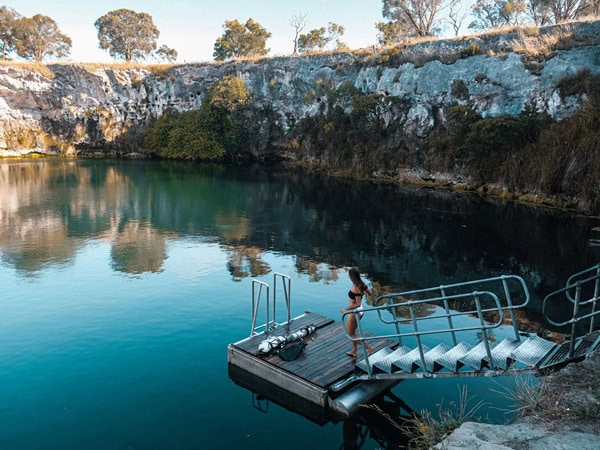
Little Blue Lake with its stairs and floating pontoon
The dazzling Little Blue Lake is around 47 metres deep. (Image: Lucy Adamopoulos)

While Blue Lake/Warwar, celebrated for the mysterious way it turns a vibrant cobalt (and occasionally, turquoise) from November onwards before making the transition to steel grey come March, has become synonymous with Mount Gambier, it’s actually just one of several lakes that make up the Crater Lakes Precinct which includes Valley Lake/Ketla Malpi, Brownes Lake/Kroweratwari and Leg of Mutton Lake/Yatton Loo.
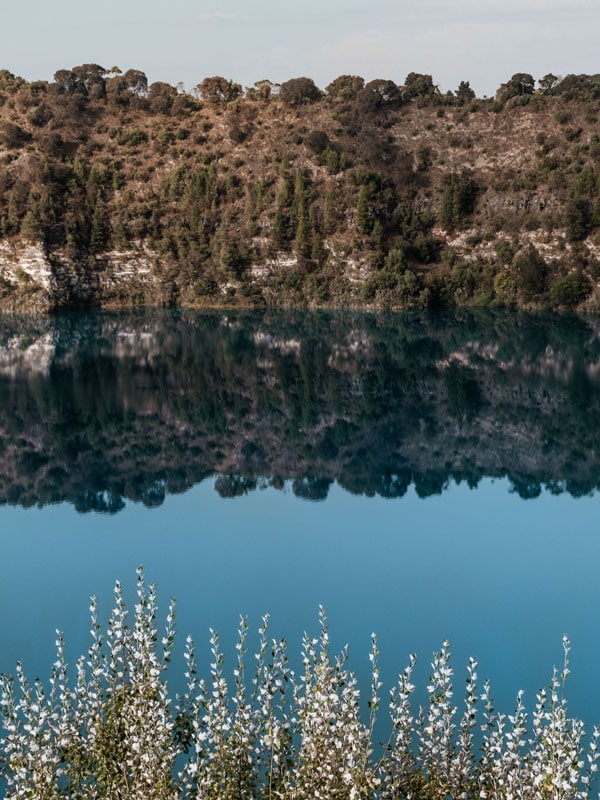
the reflection of the Blue Lakes of Mount Gambier
The Blue Lakes of Mount Gambier are nothing short of spectacular. (Image: City of Mount Gambier/Czech Aus Out)

But wait, you forgot Little Blue Lake?

Disregard the ‘lake’ in its title, Little Blue Lake – again, a dazzling body of water (some 47 metres deep) which turns a brilliant blue between November and March, is actually a sinkhole just 15 minutes from Mount Gambier.
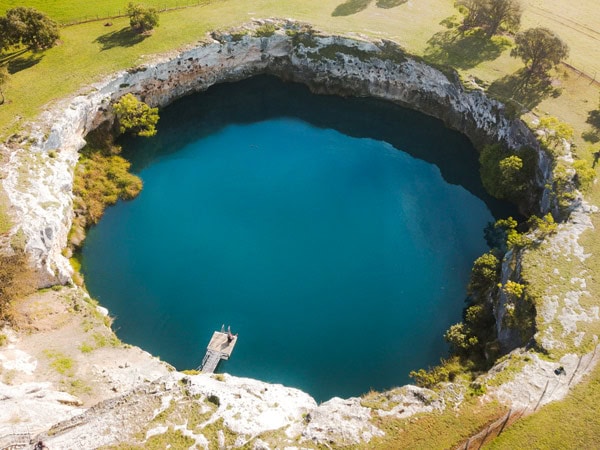
the Little Blue Lake sinkhole in Mt Gambier
Little Blue Lake turns brilliant blue between November and March. (Image: Mitch Toft)

Popular with swimmers and cave divers (the latter only permitted for divers who hold at least the CDAA Deep Cavern grade dive rating, Little Blue Lake with its stairs and floating pontoon is one of Australia’s most accessible sinkholes.
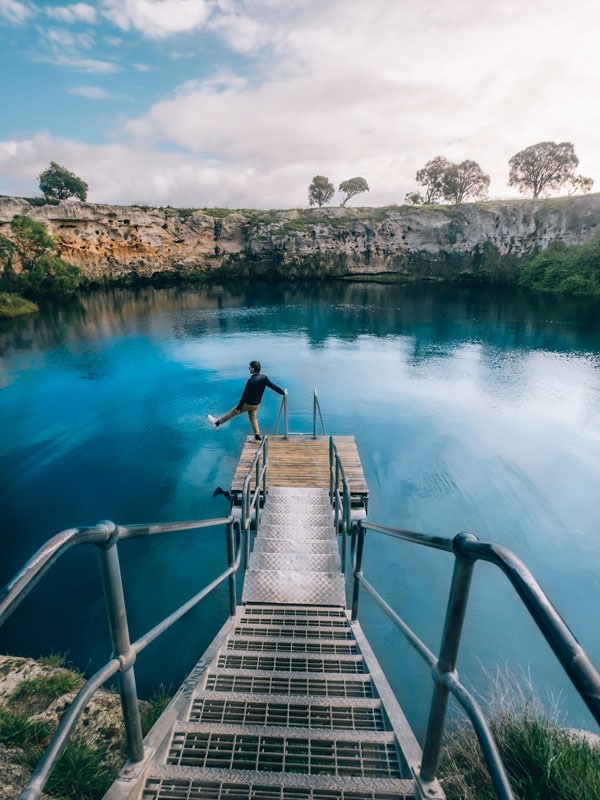
Go swimming or cave diving at Little Blue Lake. (Image: paulpayasalad)

Need tips, more detail or itinerary ideas tailored to you? Ask AT.

AI Prompt

What’s the best way to experience Blue Lake? 

Let’s start with how you won’t be experiencing it; as the lake serves as the city’s water supply, there is no swimming allowed. The good news? You can still enjoy this almost circular, one kilometre lake however by tackling the 3.6-kilometre walking trail that follows its rim, a 45-minute journey best started at the Pioneer Memorial (although you can start the walk from any point).
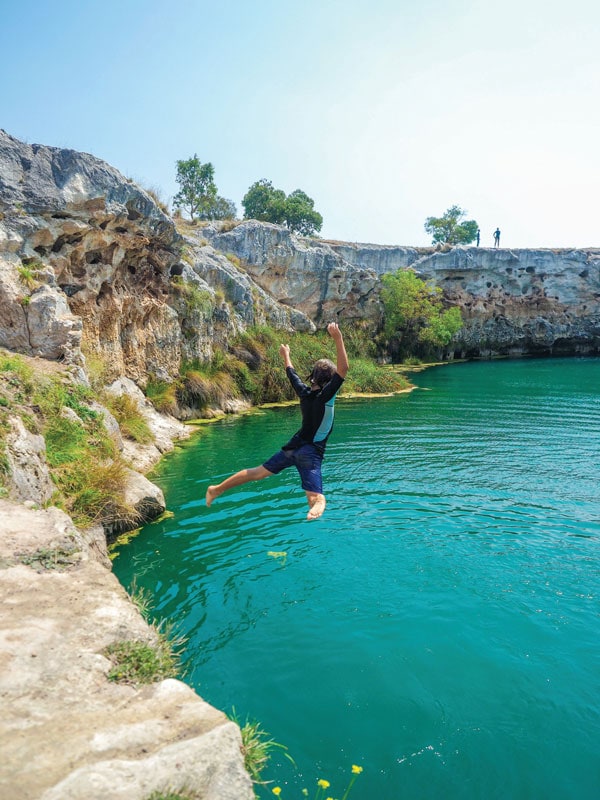
a man jumping into the Little Blue Lake, Mt Gambier
The turquoise lake beckons for a refreshing dip. (Image: Joanne Rogers)

Scenic lookouts are dotted around the lake, but keep an eye out for Rotary Lookout where you can view the Centenary Tower, the Pumping Station and Mount Schank. As mentioned, if you can time your visit to slot in neatly between November and March, you’ll see the lake at its vibrant best.
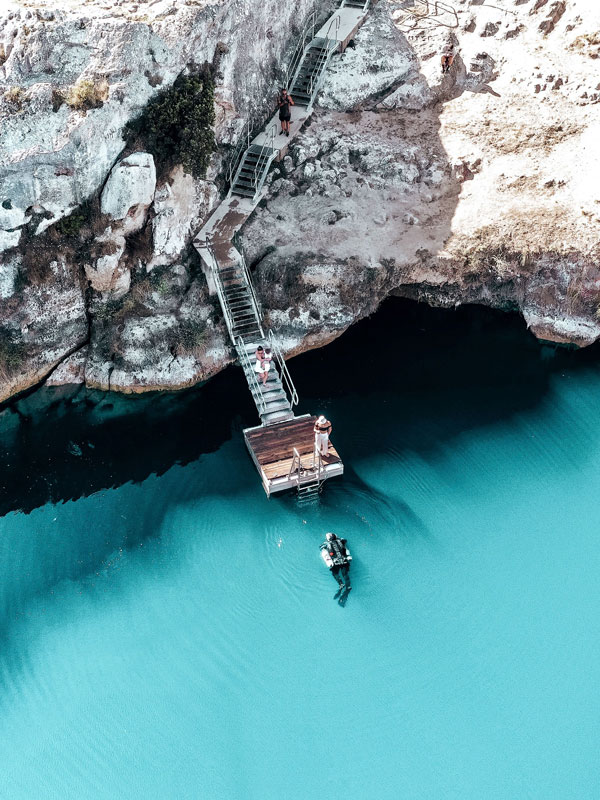
diving in the Little Blue Lake, Mt Gambier
See the Little Blue Lake at its vibrant best. (Image: Lucy Adamopoulos)

Which other lakes do you recommend around Mount Gambier? 

Take a short drive to the Crater Lakes where Valley Lake is home to a wildlife-filled conservation park heaving with native flora and fauna. While some choose to make the most of water sport options on the water, this is the ultimate spot for a relaxed picnic, a casual barbeque (there are free barbeque facilities onsite), or if you’re feeling active, a round or two of disc golf at the Crater Lakes Disc Course.
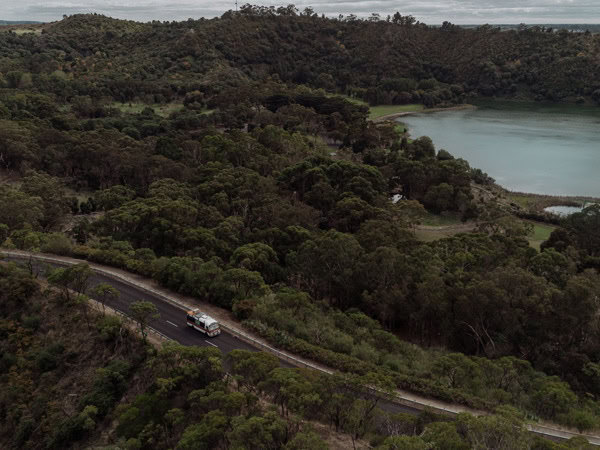
driving along the Crater Lakes, Mt Gambier
Be surrounded by native flora and fauna at the Crater Lakes. (Image: City of Mount Gambier/ Czech Aus Out)

Our recommendation? Set up a spot by Brownes Lake/Kroweratwari, the site of the original Mount Gambier Botanical Gardens and bring the kids: the adventure playground will thrill kids and kidults of all ages.
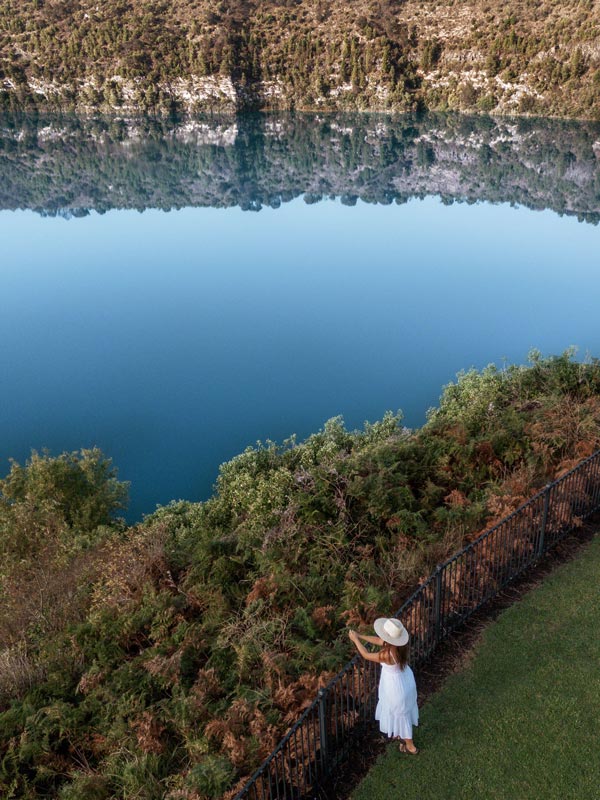
a woman sightseeing at the Little Blue Lake, Mt Gambier
Admire stunning vistas. (Image: City of Mount Gambier/Czech Aus Out)

Valley Lakes Recreation Area is particularly picturesque in the autumn months when the flame trees put on a spectacular show of vibrant yellow, red and burnt orange hues.
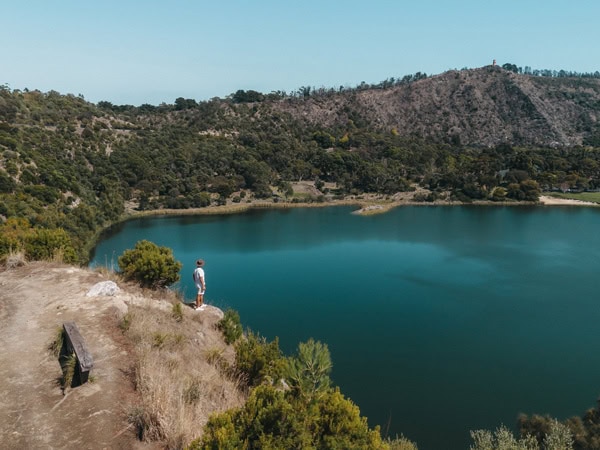
an aerial view of the Valley Lakes, Mt Gambier
Valley Lake is most picturesque come autumn. (Image: City of Mount Gambier/Czech Aus Out)

Be sure to also check out the curiously named Leg of Mutton Lake – for its shape which is, you guessed it, shaped like a lamb leg. Although it’s now dry due to reductions in the water table, the dramatic wooded area is an excellent location for hikes.
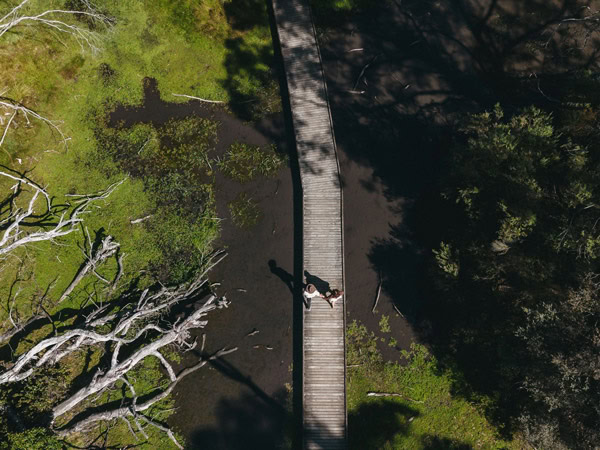
an aerial view of two people walking along the Limestone Coast
Tackle the scenic walking trail to the Blue Lake. (Image: City of Mount Gambier/Czech Aus Out)

Choose between the 4.2-kilometre Mountain Trail (begin at Mark’s Lookout and follow the track in an anti-clockwise direction for the best views), the moderate 1.7-kilometre Pepperpot Trail and Blue Lake Circuit, or for those who prefer something shorter, the Oaks, Blue Gum and the The Browns Lake walks.
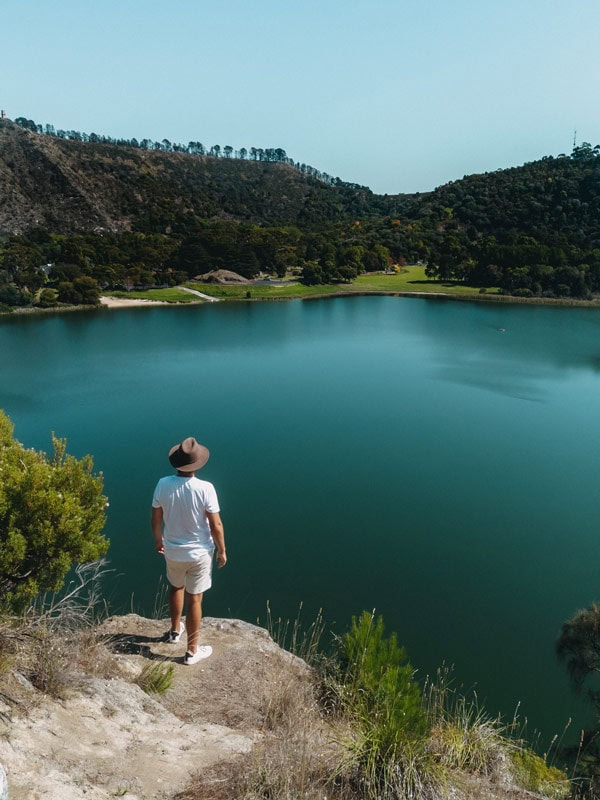
a man standing on the edge of a cliff at Valley Lake
The Valley Lakes Recreation Area is within the Crater Lakes precinct in Mount Gambier. (Image: City of Mount Gambier/Czech Aus Out)

Weekly travel news, experiences
insider tips, offers, and more.

Is there anything else I should know? 

Sure, you can either hire a car and make your way to each of the lakes to explore at your own pace, or you can book an Aquifer Tour at Blue Lake, if you prefer a guided experience with a side of history.
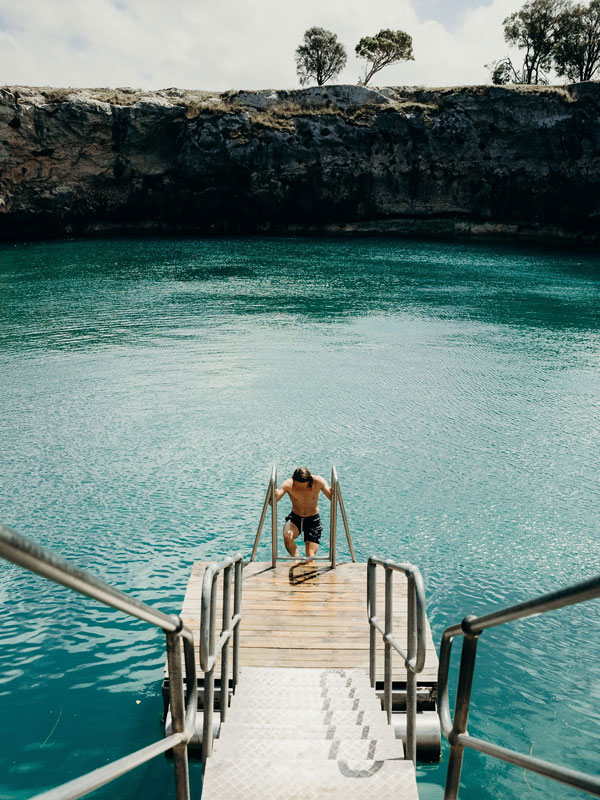
a man climbing up the stairs at Little Blue Lake, Mt Gambier
Cool off at the Little Blue Lake. (Image: South Australian Tourism Commission)
Head here for more tried and tested tips on visiting Mount Gambier.

Want to see more stories from Australian Traveller in your Google search results?

  1. Click here to set Australian Traveller as a preferred source.
  2. Tick the box next to "Australian Traveller". That's it.
Dilvin Yasa
Dilvin Yasa is a freelance journalist, author and TV presenter whose travels have taken her from the iceberg graveyards of Antarctica to the roaring rapids of Uganda. Always on the lookout for that next unforgettable meal, wildlife moment or 80s-themed nightclub, she is inexplicably drawn to polar destinations despite detesting the cold.
View profile and articles
hero media

An insider’s guide to Noosa’s best-kept winter secrets

    Lucy Cousins Lucy Cousins
    As the cooler weather rolls in, head to this popular Sunshine Coast destination to enjoy stunning natural beauty, culinary wonders and mild temperatures.

    As southern Australia’s weather starts to cool – the frost visiting every morning and the evening chill descending at dusk – you might reach for your thickest cable knit sweater and warmest blanket. But why not reach for your suitcase and sunglasses and book a ticket to Noosa in winter instead?

    Sure, it’s a favourite destination for sun-seeking summer travellers. But as locals will readily tell you, winter is the best time to uncover hidden gems across the region – not only is the weather mild and enjoyable, but the beaches and hinterland are picture-perfect, too. You might even spot a whale or two if you visit from June to September.

    Discover how to spend your winter surrounded by Noosa’s stunning natural beauty.

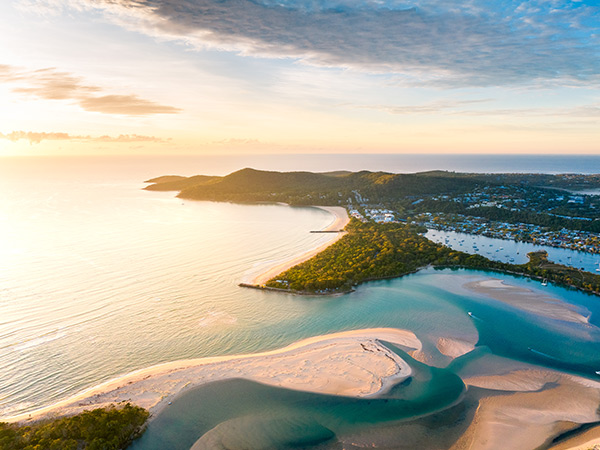
    Noosa Rivermouth And Main Beach
    Make the most of mild temperatures of Noosa in winter.

    Where to eat in Noosa

    Known for its dynamic cuisine, Noosa is an overflowing foodie destination. Whatever your tastebuds fancy, the region has it covered.

    There are the classic eateries, like lively beachfront Bistro C (try the caramelised pork belly), popular Season Restaurant on Hastings Street (order the spanner crab pasta) and stylish Locale (our pick is the slow roasted White Pyrenees lamb shoulder).

    There are also chic new restaurants offering tasty dishes, like the Mediterranean fare at Pelis, Cantonese-inspired dim sums at Sabrosa, organic sourdough pizza from El Capitano, traditional recipes and tequila at Dona Cocina Mexicana and modern Italian-Australian creations from Lucio’s Marina.

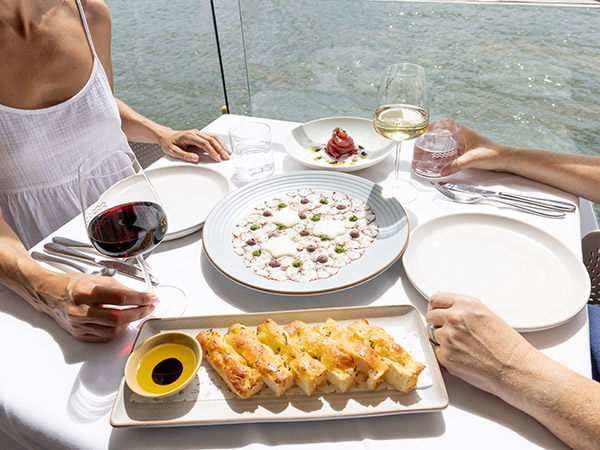
    diners at Lucio's Marina in noosa in winter
    Taste modern Italian-Australian at Lucio’s Marina. (Image: Nickolas May)

    Where to stay in Noosa

    Once you’re full, you’ll need to find a place to lay your head, and Noosa has no shortage of accommodation options. From five-star resorts with palm-fringed lagoon pools to self-catered apartments and family-friendly budget options, stays in the heart of the action on Hastings Street to sleeping steps from the beach or in more spacious and relaxed accommodation along the river, Noosa offers something for everyone.

    There’s the laid-back luxury of Netanya Noosa overlooking Noosa Main Beach, which offers studios, two- and three-bedroom apartments, or the family-oriented Ivory Palms Resort in Noosaville, with its three pools, jumping pillow and playground. Guests also love the versatile RACV Noosa Resort and its numerous pools, waterslides and tennis courts.

    For a wildlife experience, hop on a ferry and travel to the eco-friendly Senses Noosa North Shore. Surrounded by 16 hectares of native bushland, the beautiful architect-designed property blends indoor and outdoor living and offers three stunning pools and a spa. Guests can even spot kangaroos and rainbow lorikeets from shaded verandahs.

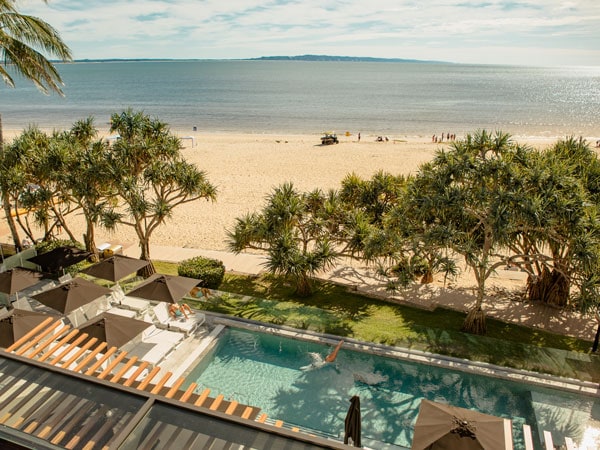
    a beachfront swimming pool at Netanya Noosa
    Gaze over Noosa Main Beach at Netanya Noosa. (Image: Lumea Photo)

    Things to do on land

    There’s no denying it, the main beach – with its creamy-coloured sand, consistent breaks and epic coastline views – is Noosa’s shining star attraction. Bordering this is the wildly popular Noosa National Park, where you can explore over 15 kilometres of walking tracks, including options like the Coastal Walk, Tanglewood Walk and Palm Grove Walk.

    A short stroll away is busy Hastings Street, which is full of life during the day and long into the night. Enjoy a little shopping, a late brunch, dinner out and a cocktail as the sun goes down.

    Climb onto a fully electric tuk tuk with Noosa e-TukTuk to get an insider’s tour of the region. For a more in-depth exploration, book a bespoke tour with Joel’s Journeys and head to the lush green hinterland, or discover the rugged landscapes of Great Sandy National Park with Sunny Jeeps to spend the day with the wind in your hair and sand underfoot.

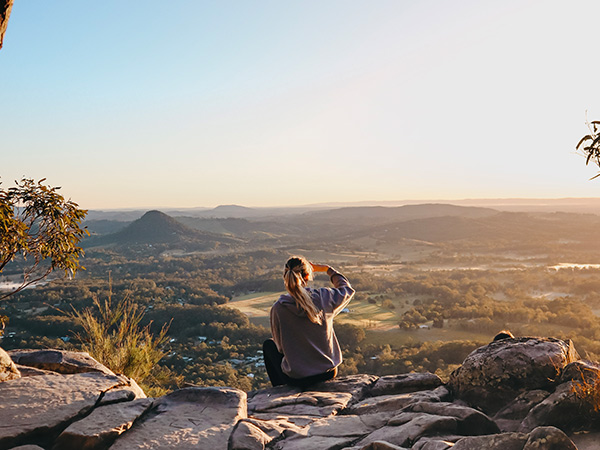
    woman enjoying the view after hiking through Noosa National Park, noosa in winter
    Take in views of the beautiful Noosa Hinterland. (Image: Demy Gavin)

    Things to do in the water

    Noosa isn’t just about the beach, the national parks and shopping; one of the most popular ways to embrace winter is to explore on water.

    You could brave the waves on a surfboard, explore the languid Noosa River on a stand-up paddleboard or even head to the Noosa Everglades for a day adventuring on a boat, canoe or kayak.

    Enjoy the winter sunsets aboard the newly launched HV Stillwater, a luxury, hybrid-powered catamaran that glides silently along Noosa’s waterways. You can also book a table on the only floating restaurant on the river – Noosa Cruiser – and dig into freshly cooked cuisine.

    For a little more adventure, head out with Kingfisher Safari Co and cruise around the Noosa River Inlet and Lake Cootharaba. Or search for whales and dolphins (from June to September) on a small charter boat tour with WhaleSongs Noosa; with an onboard researcher to explain what you’re seeing, as well as a hydrophone, you’ll be able to listen to the haunting songs of some of the world’s biggest animals while enjoying a winter’s day in the sun.

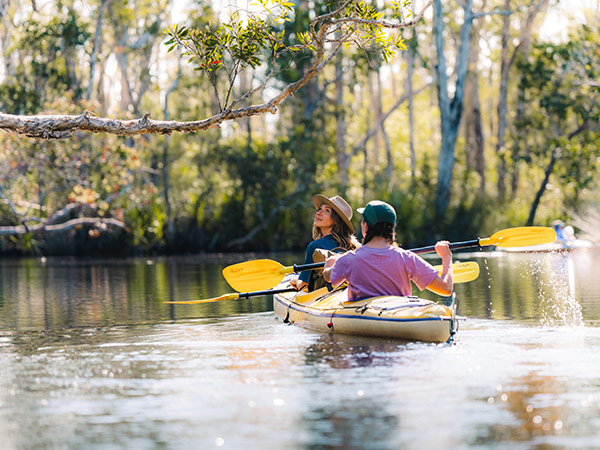
    women kayaking through Noosa everglades noosa in winter
    Explore the gorgeous Noosa Everglades. (Image: Emily Redfern)

    Book your winter getaway in Noosa at visitnoosa.com.au.

    A Guide To The Magical Blue Lakes Of Mount Gambier | Australian Traveller