Sydney airport braces for 2.5 million passengers this Easter

hero media
Avoid the holiday mayhem by following these simple and easy tips.

Easter is the perfect time to book a break. For families, kids are finally on school holidays. For couples, public holidays mean some extra time off work. And for the rest of us? Well, we’ve made it through the first quarter of the year relatively unscathed. All deserving of a luxurious long weekend away, right?

In 2025, it’s evident that more Aussies are keen to get away over the Easter period. From 9 to 29 April this year, Sydney Airport is expecting 2.5 million passengers through its doors – that’s 125,000 people per day. But before you think about cancelling those flights, we’ve got some tricks up our sleeve for making your departure day as stress-free as possible.

What’s going on at Sydney Airport?

This April, Sydneysiders are eager to escape not only the city, but the country, too. It’s the International Airport’s busiest Easter in over five years, with around one million passengers set to pass through its T1 terminal. That’s a nine per cent increase compared to the same period in 2024.

Sydney Airport departure gate
Around 2.5 million passengers will depart Sydney this Easter. (Image: Getty Images/Dora Dalton)

Over at the Domestic Airport, 1.5 million people are expected through both the T2 and T3 terminals – more than three per cent higher than last year. Thursday 17 April will be its busiest day, with an anticipated 85,000 passengers. International travel will peak the following day, Friday 18 April, with 53,000 outbound travellers.

“The ongoing growth in passenger numbers reflects the introduction of new services and increased capacity from airlines, and we’re looking forward to welcoming more flights and new airline partners throughout 2025," explains Sydney Airport CEO, Scott Charlton.

But Sydney Airport is well-prepared for the pandemonium. Staff numbers will be boosted across all terminals and stations, from security and customs to check-in and boarding. Transport vehicles within the airport will also be redirected to arrival gates during peak periods to avoid bottlenecking.

“To keep up with this demand, we’re investing across the airport – from terminals to the airfield – to improve efficiency and enhance the experience for passengers," continues Scott.

Planes at Sydney Airport, NSW
Sydney Airport is preparing for the Easter rush. (Image: Getty Images/Boeing746)

These investments will see 15 new screening lanes at the T1 International terminal, with five new lanes already in operation. The improved process means increased flow of foot traffic and reduced wait times.

The T2 Domestic terminal will also benefit, with a $200 million upgrade due to begin on 1 May. Key features include self-serve check-in kiosks, advanced drop bag systems, new security technology and improved accessibility features. It marks the terminal’s first major renovation in over 30 years, promising to get passengers from kerb to gate in just 15 minutes.

Need tips, more detail or itinerary ideas tailored to you? Ask AT.

AI Prompt

How to avoid the chaos

While the increased number of passengers at Sydney Airport this Easter may put some people off, there are definitely ways to make it less stressful than it needs to be. Here are a few handy tips to getting on your flight without any hiccups along the way.

1. Plan transportation in advance

If you’re driving to the airport, book your parking at the same time you book your flights. The Blu Emu parking complex is a great option. Less than two kilometres from the airport, it has a shuttle bus that runs every 15 minutes. Those taking public transport should plan their trip via Transport NSW well ahead of departure. Know which train line or bus route you need to take and allow time for delays and traffic.

2. Purchase travel insurance

A suitcase on a buggage belt at the airport
Travel insurance can help in the case of lost luggage. (Image: Getty Images/Onurdongel)

Once you’ve booked your flights and planned your transport, it’s a good idea to purchase travel insurance. In doing so, you can protect yourself against unforeseen issues that come with peak-season travel, like delays, cancellations, lost luggage and other emergencies. There are plenty of options out there, so it’s important to do the research and find out what best suits you and your travel needs.

3. Check in ahead of time

Avoid extra stress on departure day by checking in online before you arrive at the airport. Most airlines actually encourage an early check-in, as it saves time for both passengers and airport staff. Online check-in usually opens 48 hours ahead of domestic flights and 24 hours before international departures. It’s a relatively quick process, easily completed on the airline’s website or mobile app – all you need is your booking reference.

4. Travel with carry-on luggage

People lining up with luggage at the airport
Avoid long lines by travelling with carry-on luggage. (Image: Getty Images/Izusek)

If you’re only going away for a short amount of time, try to squeeze everything you need into a carry-on bag. Plan out your outfits ahead of time, avoid heavy/bulky items and only pack the essentials – just remember, it will need to weigh seven kilograms or less. Without checked luggage, you can check yourself in and skip the lines. Even better, when you arrive at your destination, you’ll avoid the crowds at the baggage carousel.

Weekly travel news, experiences
insider tips, offers, and more.

5. Arrive early to avoid delays

While domestic passengers are usually encouraged to arrive at least 60 minutes before departure, those travelling this Easter should get to the airport with two hours to spare. If you’re heading overseas, give yourself at least three hours. There’s plenty to keep you occupied on the other side of security – do some shopping (did someone say duty free?), have lunch or hang out at your gate with a good book.

6. Stay informed and updated

Crowds at the airport
Airport delays can occur at any time. (Image: Getty Images/Baona)

No matter how prepared you are, busy travel periods can mean unexpected delays and last-minute changes. Be sure to stay informed on your departure gate and flight status via the Sydney Airport website. Know the security rules (laptops out of bags, liquid restrictions, no prohibited products etc.) and always have your booking details handy.

7. Be kind to yourself and others

Delays, flight cancellations, large crowds and long lines can be frustrating, but it’s always important to be kind. Remind yourself that other passengers are probably just as stressed and airport workers are doing their best, too. While you’re off on holiday, they’re working hard to get you there without any issues.

If air travel makes your anxious, ensure you have everything you need – whether that’s buying your favourite snack, packing a comforting object or booking an airline known for helping nervous flyers. With a good amount of preparation and a little bit of kindness, everyone can enjoy Easter and find joy in the chaos.

Want to see more stories from Australian Traveller in your Google search results?

  1. Click here to set Australian Traveller as a preferred source.
  2. Tick the box next to "Australian Traveller". That's it.
Taylah Darnell
Taylah Darnell is Australian Traveller's Writer & Producer. She has been passionate about writing since she learnt to read, spending many hours either lost in the pages of books or attempting to write her own. This life-long love of words inspired her to study a Bachelor of Communication majoring in Creative Writing at the University of Technology Sydney, where she completed two editorial internships. She began her full-time career in publishing at Ocean Media before scoring her dream job with Australian Traveller. Now as Writer & Producer, Taylah passionately works across both digital platforms and print titles. When she's not wielding a red pen over magazine proofs, you can find Taylah among the aisles of a second-hand bookshop, following a good nature trail or cheering on her EPL team at 3am. While she's keen to visit places like Norway and New Zealand, her favourite place to explore will forever be her homeland.
View profile and articles
hero media

Why the Central Coast is a foodie mecca

    Elise Cullen Elise Cullen
    Underpinned by grassroots hospitality and award-winning organic produce, the Central Coast’s gastronomy scene is thriving, with the region quickly becoming one of the best destinations in NSW for epicures.

    Revered for its rugged natural splendour and laid-back seaside charm, NSW’s Central Coast has soared in popularity in recent years, becoming a top choice for an affordable slice of weekend escapism for Sydneysiders. Just a short 45-minute drive north of Sydney, it’s the kind of place that, no matter how many times you visit, leaves you with the sense that there’s always more to uncover. But while the ocean pools, bushwalks and beaches have (rightly) taken the spotlight, it’s the Central Coast food offerings which have been quietly simmering in the background.

    From fresh-as-it-gets seafood and juicy organic citrus you can pluck yourself, through to regenerative farming and reputable farm-to-fork dining, this coastal gem has become an idyllic foodie mecca. Here are some of the best ways to immerse yourself in grassroots hospitality and gastronomic glory on the NSW Central Coast.

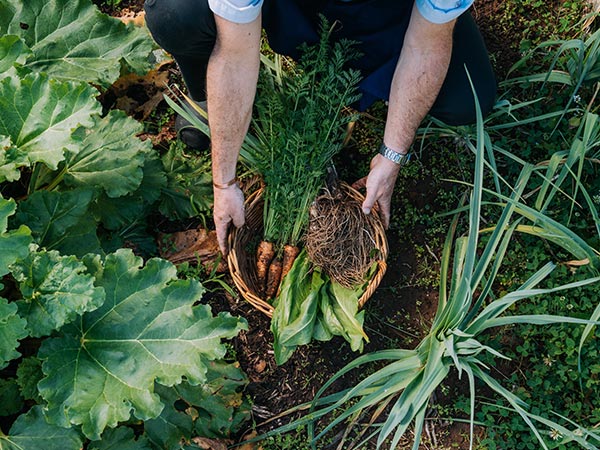
    vegetables in a basket at Bells Garden at Bells At Killcare
    From picking your own, to farm-to-table, discover the best Central Coast food experiences. (Image: Remy Brand)

    Central Coast oyster experiences

    From humble grub to opulent delicacy, oysters have ascended into a league of their own. Epicureans are fascinated by them – willing to pay upwards of $35 per dozen (double at some of Sydney’s reputable fine dining restaurants) – and ‘shuck bars’ seem to be popping up at every milestone celebration.

    But it’s rare to find places that really draw back the curtain on how they’re farmed and why everyone is mad for these molluscs. The Central Coast, however, is home to several of these venues. With its pristine waters, mild climate and nutrient-rich estuaries, it’s the perfect breeding ground for oysters.

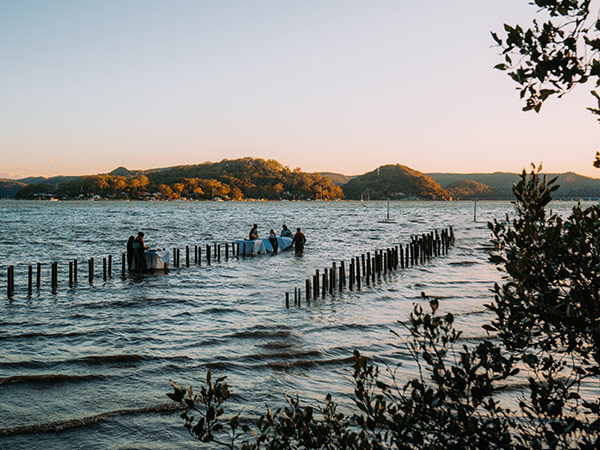
    Learn about oyster farming and, importantly, how to shuck them at Sydney Oyster Farm Tours. Nestled on the Hawkesbury River at Mooney Mooney, Sheridan Beaumont and her team offer a hands-on foodie experience where you can feast on dozens of oysters (white tablecloth and all) while wading through the calm waters. You can even bring your own bottle of bubbles to wash them down.

    guests in the water for an experience at Sydney Oyster Farm - Central Coast food
    Learn tricks of the trade at Sydney Oyster Farm Tours. (Image: Remy Brand)

    Elevate your oyster knowledge even further by heading north over the Hawkesbury River Bridge to the Hawkesbury River Oyster Shed. Tour their scenic oyster leases and saltwater paddocks by boat to uncover the distinct characteristics of the Sydney rock oyster and creamy Pacific oyster. They’ve also partnered with Broken Bay Pearl Farm to offer a one-of-a-kind oyster and pearl farming guided tour, showcasing the Central Coast’s very own pearl oyster, the Broken Bay ‘Akoya’. But if you’re simply in the mood to devour a dozen delectable oysters while soaking in the tranquil river views, pull up a chair at the shed. It’s friendly in every sense of the word: pets, families and BYO welcome.

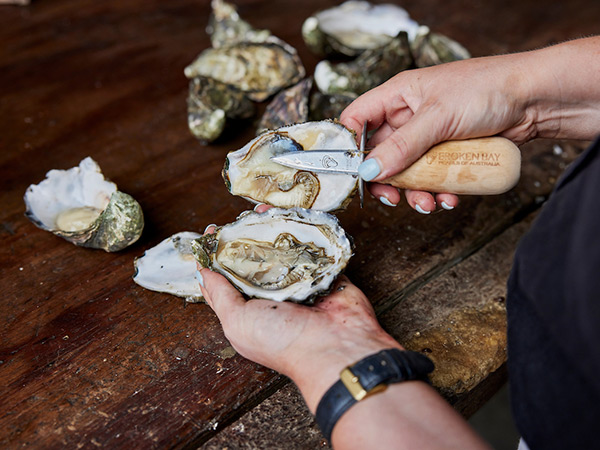
    shucking oysters at Broken Bay Pearl Farm
    Taste freshly shucked oysters at Broken Bay Pearl Farm. (Image: James Horan)

    Central Coast farms to pick your own fruit

    While the Central Coast is known for its breathtaking 40 beaches and 80-kilometre coastline, its lush hinterland is equally impressive – abundant with orchards and agriculturally rich farmland. And when it comes to the simple joy of picking your own fruit, the Central Coast is a ripe playground.

    Family-owned Meliora Farm at Peats Ridge is an orchard that blends conventional, biodynamic and organic philosophies. Third-generation farmer Tim Kemp and his wife Elise are dedicated to honouring the family legacy by growing a rich variety of oranges, lemons, limes, mandarins and avocados. In late May, roam the sustainable and nutrient-dense property during ‘Pick Your Own’ weekends.

    Eastcoast Beverages is another bountiful citrus orchard boasting over 60 hectares of fruit. From June you can learn about the cultivation of high-quality ingredients – like lemons, limes, grapefruit and oranges – by touring both the farm and factory before setting out and picking your own straight from the source. You can also sample an array of citrus-inspired sweet and savoury treats at their on-site cafe, Bambino’s.

    If it’s just juicy oranges you’re after, Cedar Farm in Dooralong is a must-visit. Located about 30 minutes north of Peats Ridge, it features 15 flourishing orchards and over 3000 orange trees – with take-home bags during the season (from July) at low prices. Not bad for a fruity weekend haul.

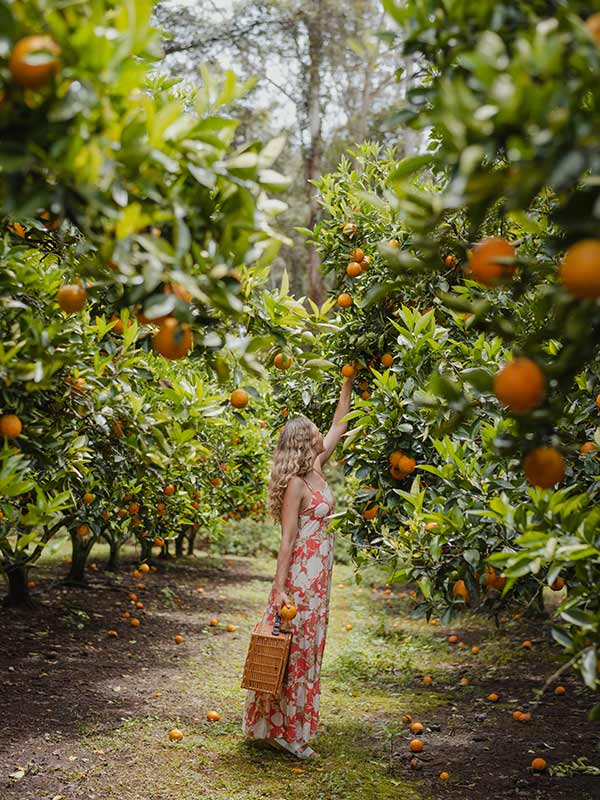
    woman picking oranges at Oranges at Dooralong
    Pick your own citrus fruits on the Central Coast. (Image: James Vodicka)

    Organic dining

    What makes the Central Coast hinterland so special is the unwavering respect the communities have for their cherished backyard. Locally owned and operated farms are all striving for more sustainable practices and methods to both enhance biodiversity and reduce environmental impact, each with a heartwarming food philosophy.

    The Food Farm in Wyong Creek believes good food is worth both the work and the wait. Devoted to regenerative farming, first-generation ‘farmily’ Tim Eyes and Hannah Greenshields are recognised for their grass-fed, grass-finished beef and pasture-raised, gold medal-winning chickens. With an open gate policy, The Food Farm encourages visitors to swing by and try some of their slow-grown produce at their small ‘honesty’ farm shop. With no staff, you can pick up a few quality cuts of meat and pasteurised eggs, leaving the owing amount in cash or via eftpos.

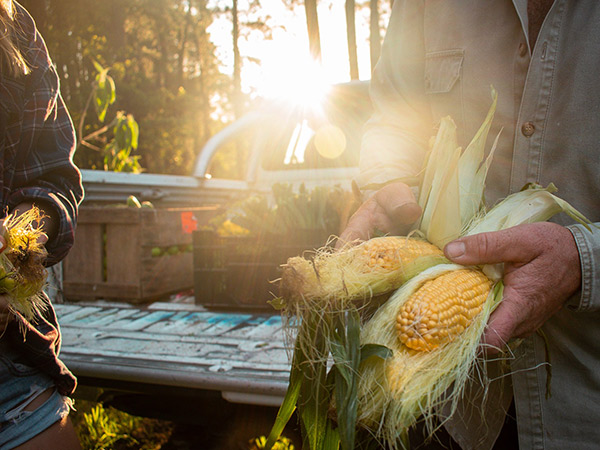
    Keeping the spirit of generational organic farming alive is Fanelli Organics. Nestled in the Central Coast’s scenic and sleepy Mangrove Mountain, founders Eden and Louise Fanelli own over 45 hectares of plentiful farmland and orchards that produce a huge range of organic fruit and vegetables, like purple Dutch carrots, blood oranges, broccoli and Tuscan kale. A true home-grown operation, Fanelli Organics shares its fresh produce with local restaurants and community markets, including the beloved markets at Like Minds Cafe at Avoca Beach every Wednesday afternoon.

    farmers holding fresh produce picked at Fanelli Organics
    See where your food comes from at Fanelli Organics.

    Paddock-to-plate dining

    High-quality ingredients go hand in hand with premium dining, and the Central Coast is home to several paddock-to-plate restaurants that showcase its diverse and rich agriculture. Paired with warm, grassroots hospitality, there are culinary triumphs, new menus and revered chefs constantly popping up, putting the local dining scene firmly on the map.

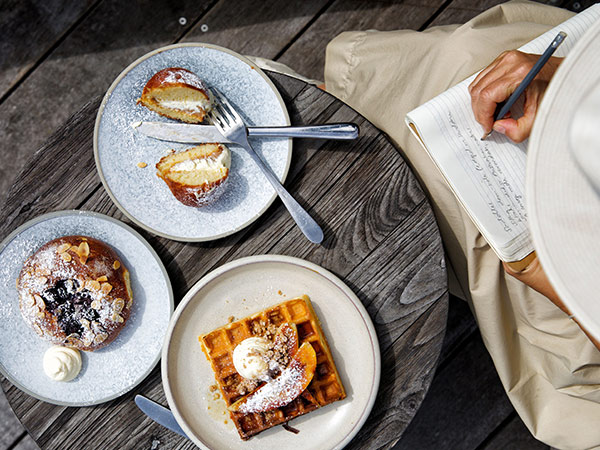
    Award-winning Mount White restaurant Saddles is a quintessential Australian dining destination, dedicated to country-style cooking and seasonal produce. Nestled in thick bushland with wraparound verandahs, floral gardens and an idyllic dam, the gourmet homestead and bakehouse is unlike any restaurant on the Central Coast. Here, head chef Reece Collins and his team serve up an impressive breakfast and lunch menu that oozes rustic charm. Pull up a comfy armchair on the expansive deck, listen to birdsong, and tuck into flavoursome dishes like the farmhouse Benedict with honey-cured ham, lemon myrtle hollandaise and Warrigal gremolata, or the hearty beef brisket pie with confit garlic potato purée and rainbow chard.

    woman writing in notebook next to a table of food at Saddles, Central Coast food
    Taste country-style cooking at Saddles. (Image: Destination NSW)

    Delivering a slice of sophistication and luxury to the shores and bushland of Bouddi Peninsula is Bells at Killcare. One of the few boutique resorts on the Central Coast, it’s known for its premium service and five-star suites, as well as its bountiful kitchen gardens that boast an orchard, olive trees, avocado trees, free-range hens and a honey bee hive.

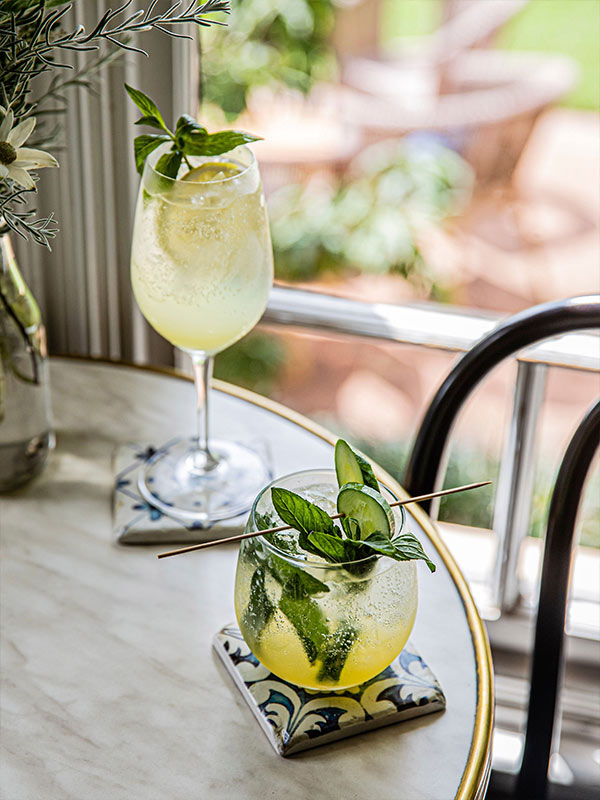
    Cameron Cansdell has returned to Bells at Killcare as head chef, bringing his expertise to the casual yet refined menus that feature a raw bar with Oscietra caviar, freshly shucked Sydney rock oysters and Moreton Bay bugs, all served alongside optional matched wines. Sample some of Australia’s best regional wines and standout dishes, like roasted Wollemi duck with grilled leeks, rocket, grilled grapes and 10-year-aged balsamic, or the shareworthy salt-crusted snapper with herb salad and salsa, before roaming the picturesque gardens, wine in hand.

    cocktail at Bells At Killcare
    Sample incredible wine, cocktails and dishes at Bells At Killcare. (Image: Nikki To)

    Plan your next visit to the delicious Central Coast.