Welcome to the first instalment of Hotel Addict, a monthly column where I check into Australia’s best hotels, exploring not just the rooms, but the stories, service and settings that make each stay unforgettable and worth adding to your wishlist.
Hotel stays have quietly become my thing. Long before I became a travel journalist, I was booking staycations just for a change of scenery. Some had charm, some had character, some had neither. Once, I even stayed in a hotel directly opposite my own apartment – partly for the novelty, partly because I wanted to see my life from a different angle.
For me, hotels represent a kind of mystery – I find myself wanting to know what these buildings contain. Many of them are designed with intention: lighting, materials, scent and sounds that often reflect the city they sit in. Time seems to gently pause in these spaces, which have increasingly become the destination itself for modern travellers.
It only felt fitting for the first hotel in this series to be in my home city and at the hotel that’s been at the top of my list: Capella Sydney.
Capella sits within an Edwardian Baroque‑style sandstone building.
An email with a hotel program from the “Culturist Team" lets me know this will be a luxurious stay. There’s a guided walk around the Botanic Gardens, a weaving workshop and a Sydney contemporary art tour – the kind of addition that signals a hotel that’s tuned into the finer details, and one that’s not surprising given that Capella’s ethos centres on delivering personalised, immersive experiences.
Capella opened in 2023 within a transformed Edwardian Baroque‑style sandstone building in Sydney’s CBD that was originally designed by renowned Scottish-Australian architect George McRae. I often walk past this building and once attended an event inside – I distinctly remember being surprised by how beautiful it was. Bar Studio, Make Architects, and stylist Simone Haag were engaged to sensitively adapt the building for contemporary luxury while honouring its past, in collaboration with Heritage NSW and the City of Sydney.
The grand entry is beautifully enhanced by striking contemporary artworks.
Large bouquets of Australian natives elevate the public spaces.
The design strikes the perfect balance between grandness and intimacy.
The expansive foyer and Aperture dining area.
Each space is layered to perfection.
When I arrive, I’m greeted by three different staff members along the way to reception. There’s a lovely subtle scent, which I later learn combines notes of bergamot, green tea leaves, peony, freesia, vetiver and cedarwood. This hotel strikes such a beautiful balance between grandness and intimacy, with large floral bouquets, contemporary artworks, impressively high ceilings that give it an international feel and quieter nooks to unwind in. Each space is unique, but they’re all unified by a warm, textural and layered design.
Sydney has been deserving of a hotel of this calibre for quite some time, with many of the accommodations in the city looking and feeling dated.
The design strikes the perfect balance between grandness and intimacy.
I have a treatment booked at the hotel’s Auriga Spa prior to check-in. The space is ultra-luxe, moodily lit and intimate, featuring timber joinery, green walls and a sleek design that’s so perfect it almost transports me to Japan. I opt for the Replenish Beauty and LED Facial – a strategic choice with a TV segment on the horizon, and a hopeful bid to look extra fresh for the camera.
The treatment begins with me sitting in the softest robe of my life, wearing slippers and sipping chamomile tea. I’m then whisked away to my private treatment room, which has its own bathroom, a large skylight and a small Japanese-style garden. The treatment is extremely relaxing and moves through cleansing, exfoliating, massaging (arm, head, neck and face) and LED Light Therapy. There’s so much attention to detail – even at the end, the facialist puts my slippers back on me, while I’m still lying down.
A treatment at Auriga Spa might be the best way I’ve ever started a hotel stay. (Image: Rachael Thompson)
While this treatment certainly hasn’t had a Benjamin Button effect, my sister seems to think I’m glowing, so I walk away happy, or at the very least, zen.
Auriga Spa has a sauna, steam room, ice fountain and a beautiful indoor heated swimming pool. There’s also “experiential showers" – new to me, but essentially it combines water flowing from different places, changing temperatures, mood lighting, gentle sounds, and a subtle lemongrass scent.
You could easily spend the better part of a day at the spa and pool, even if you’re not a guest.
Guests outside the hotel can use the spa and swimming pool. (Image: Rachael Thompson)
I’m escorted to my room, drunk on relaxation, but I make sure to take note of how noisy the hallways are – answer: dead quiet. My room is 50 square metres, which is huge by hotel standards, but particularly for one in the CBD. It feels like a high-end apartment with floorboards, a freestanding bath and a seating/dining area. My eyes are immediately drawn to the line-up of macarons waiting for me on the dining table.
Need tips, more detail or itinerary ideas tailored to you? Ask AT.
AI Prompt
The Liberty Suite looks out to the Sydney Harbour Bridge.
Premier Rooms feature freestanding baths.
Skyline Rooms are a generous 65 metres squared.
Clock tower views from the Liberty Suite.
Rooms are spacious and feel like high-end apartments.
I’m thrilled to see the mini bar armoire includes a small wine fridge stocked with Minuty Prestige Côtes de Provence, Cloudy Bay Sauvignon Blanc, Handpicked Wines Pinot Noir, and Moët Grand Vintage. Not that I plan on using it (I simply could not justify the prices) – but it’s a nice extra that makes the room feel that much more luxurious. The drinks lineup reads like a who’s-who of local favourites – Young Henrys, Maybe Sammy cocktails, Four Pillars gin and Archie Rose gin. Snacks include Tyrell’s chips, Pringles, Natural Confectionery lollies, and a Carman’s oat bar.
Some small touches I appreciate that some hotels don’t offer: the option to choose your housekeeping time, an iron that actually works well, a Bluetooth speaker, the beloved wine fridge, aluminium water bottles and a bathroom without a glass door or screen that awkwardly exposes you. The one downside is that some of these rooms don’t offer much in the way of a view.
I stayed in a Premier Room which was elegant and relaxing. (Image: Rachael Thompson)
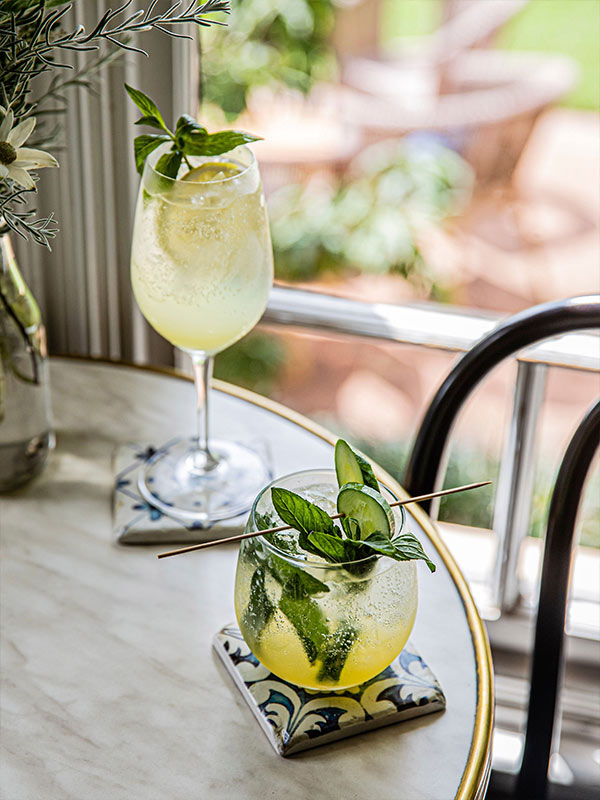
4:30pm is Swill Hour – a daily tradition that nods to the historical “six o’clock swill" in Australia. This one-hour event takes place in the Living Room and invites guests to gather and enjoy each other’s company with a signature cocktail in hand. This afternoon’s tipple is a Eucalyptus Gimlet, a clever, herbaceous little cocktail, by the multi-award-winning Maybe Sammy Team, served on coasters depicting drawings of the historic building. The canapé of the day is a tomato and stracciatella tart. I noticed several staff members chatting with guests like old friends, asking how their adventures earlier in the day went – clearly remembering previous conversations from earlier visits.
Dinner is booked for 6:30pm in Aperture – arguably the most beautiful area of the accommodation. It’s decorated with Australian flora and features a kinetic sculpture hanging from the roof that opens like flowers, with softly changing lights. Tyler, who is serving us, clearly admires the Capella brand, speaking enthusiastically about the other international properties he’s been to and sharing how he sometimes brings his five-year-old daughter here to use the pool.
The scale of Aperture gives it an international feel.
I kick things off with a basil melon margarita – a winning recommendation – before tucking into the best prawn toast I’ve ever had. For mains it’s crispy Ōra King salmon and spaghetti with mud crab.
When I arrive back at my room, there’s a vegan leather journal on my bed with a note that says: “The ritual of journaling allows us to pause, reflect and focus." This is part of the turndown service, and my slippers are neatly lined up next to my bed. Will I journal? No. Do I think it’s a nice touch? Yes.
Brasserie 1930 boasts Art Deco elegance.
The next morning, I make the predictable choice of smashed avo for breakfast at the on-site restaurant, Brasserie 1930. There’s also a buffet brimming with all the usual suspects.
Afterwards, I head to the pool to relax for a few hours before the 11am checkout. Despite my earlier resolve not to journal, I find myself reflecting nonetheless – an irony not lost on me – on my 21st hotel stay in Sydney. I write this with growing assurance that great hotels don’t just provide a place to stay; they create memorable moments, thanks in large part to fantastic staff. Kudos to the hiring manager.
Next stop: The Tasman, a Luxury Collection Hotel, Hobart!
Weekly travel news, experiences insider tips, offers, and more.
Want to see more stories from Australian Traveller in your Google search results?
Tick the box next to "Australian Traveller". That's it.
Rachael Thompson is Australian Traveller's Evergreen Editor and a self-proclaimed cheese and gin connoisseur. In her role, she creates and manages online content that remains relevant and valuable over time. With a background in publishing and e-commerce in both interior design and travel, along with an English major from The University of Sydney, Rachael is dedicated to curating engaging content that informs and inspires. She began her career at Belle magazine, then went on to become Senior Content Producer at Homes to Love focusing on Australian House & Garden and Belle, followed by Editor at Bed Threads. Her work has also appeared in Qantas Travel Insider. When she's not writing, editing, or optimising content, Rachael enjoys exploring the city's newest restaurants, bars, and hotels. Next on her Aussie travel wish list are Uluṟu-Kata Tjuṯa National Park and Lord Howe Island.
Underpinned by grassroots hospitality and award-winning organic produce, the Central Coast’s gastronomy scene is thriving, with the region quickly becoming one of the best destinations in NSW for epicures.
Revered for its rugged natural splendour and laid-back seaside charm, NSW’s Central Coast has soared in popularity in recent years, becoming a top choice for an affordable slice of weekend escapism for Sydneysiders. Just a short 45-minute drive north of Sydney, it’s the kind of place that, no matter how many times you visit, leaves you with the sense that there’s always more to uncover. But while the ocean pools, bushwalks and beaches have (rightly) taken the spotlight, it’s the Central Coast food offerings which have been quietly simmering in the background.
From fresh-as-it-gets seafood and juicy organic citrus you can pluck yourself, through to regenerative farming and reputable farm-to-fork dining, this coastal gem has become an idyllic foodie mecca. Here are some of the best ways to immerse yourself in grassroots hospitality and gastronomic glory on the NSW Central Coast.
From picking your own, to farm-to-table, discover the best Central Coast food experiences. (Image: Remy Brand)
Central Coast oyster experiences
From humble grub to opulent delicacy, oysters have ascended into a league of their own. Epicureans are fascinated by them – willing to pay upwards of $35 per dozen (double at some of Sydney’s reputable fine dining restaurants) – and ‘shuck bars’ seem to be popping up at every milestone celebration.
But it’s rare to find places that really draw back the curtain on how they’re farmed and why everyone is mad for these molluscs. The Central Coast, however, is home to several of these venues. With its pristine waters, mild climate and nutrient-rich estuaries, it’s the perfect breeding ground for oysters.
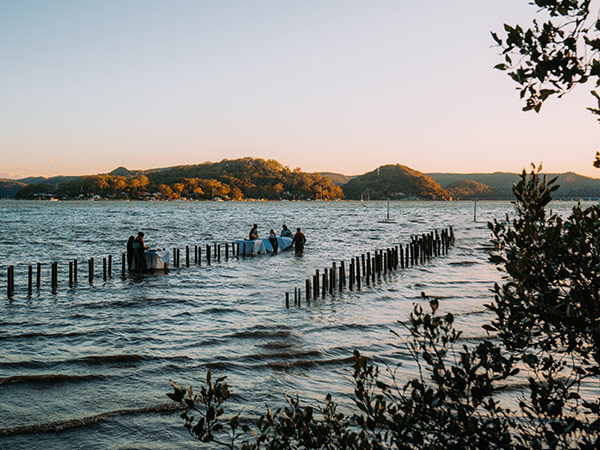
Learn about oyster farming and, importantly, how to shuck them at Sydney Oyster Farm Tours. Nestled on the Hawkesbury River at Mooney Mooney, Sheridan Beaumont and her team offer a hands-on foodie experience where you can feast on dozens of oysters (white tablecloth and all) while wading through the calm waters. You can even bring your own bottle of bubbles to wash them down.
Learn tricks of the trade at Sydney Oyster Farm Tours. (Image: Remy Brand)
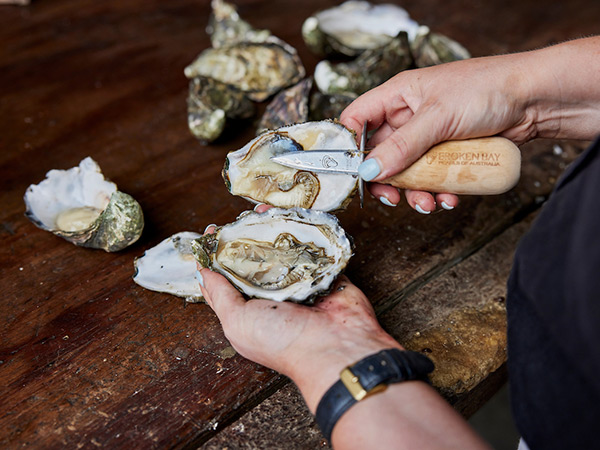
Elevate your oyster knowledge even further by heading north over the Hawkesbury River Bridge to the Hawkesbury River Oyster Shed. Tour their scenic oyster leases and saltwater paddocks by boat to uncover the distinct characteristics of the Sydney rock oyster and creamy Pacific oyster. They’ve also partnered with Broken Bay Pearl Farm to offer a one-of-a-kind oyster and pearl farming guided tour, showcasing the Central Coast’s very own pearl oyster, the Broken Bay ‘Akoya’. But if you’re simply in the mood to devour a dozen delectable oysters while soaking in the tranquil river views, pull up a chair at the shed. It’s friendly in every sense of the word: pets, families and BYO welcome.
Taste freshly shucked oysters at Broken Bay Pearl Farm. (Image: James Horan)
Central Coast farms to pick your own fruit
While the Central Coast is known for its breathtaking 40 beaches and 80-kilometre coastline, its lush hinterland is equally impressive – abundant with orchards and agriculturally rich farmland. And when it comes to the simple joy of picking your own fruit, the Central Coast is a ripe playground.
Family-owned Meliora Farm at Peats Ridge is an orchard that blends conventional, biodynamic and organic philosophies. Third-generation farmer Tim Kemp and his wife Elise are dedicated to honouring the family legacy by growing a rich variety of oranges, lemons, limes, mandarins and avocados. In late May, roam the sustainable and nutrient-dense property during ‘Pick Your Own’ weekends.
Eastcoast Beverages is another bountiful citrus orchard boasting over 60 hectares of fruit. From June you can learn about the cultivation of high-quality ingredients – like lemons, limes, grapefruit and oranges – by touring both the farm and factory before setting out and picking your own straight from the source. You can also sample an array of citrus-inspired sweet and savoury treats at their on-site cafe, Bambino’s.
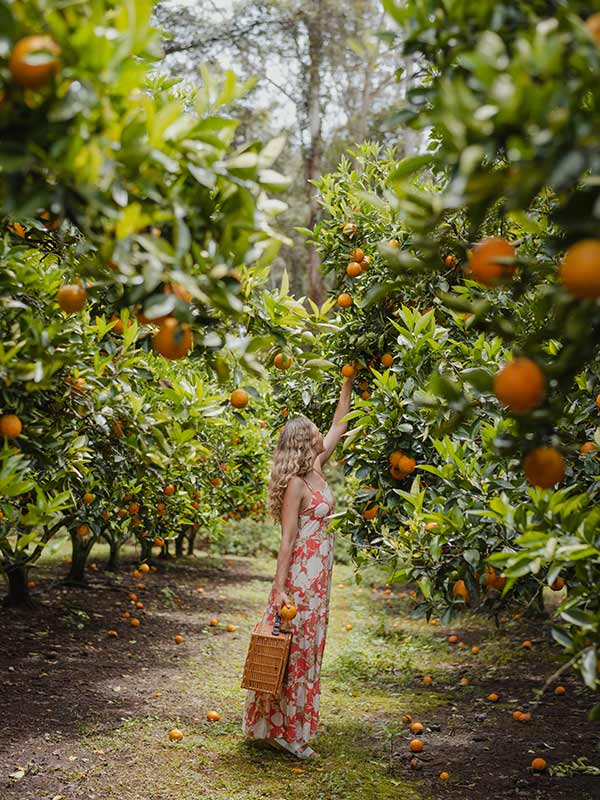
If it’s just juicy oranges you’re after, Cedar Farm in Dooralong is a must-visit. Located about 30 minutes north of Peats Ridge, it features 15 flourishing orchards and over 3000 orange trees – with take-home bags during the season (from July) at low prices. Not bad for a fruity weekend haul.
Pick your own citrus fruits on the Central Coast. (Image: James Vodicka)
Organic dining
What makes the Central Coast hinterland so special is the unwavering respect the communities have for their cherished backyard. Locally owned and operated farms are all striving for more sustainable practices and methods to both enhance biodiversity and reduce environmental impact, each with a heartwarming food philosophy.
The Food Farm in Wyong Creek believes good food is worth both the work and the wait. Devoted to regenerative farming, first-generation ‘farmily’ Tim Eyes and Hannah Greenshields are recognised for their grass-fed, grass-finished beef and pasture-raised, gold medal-winning chickens. With an open gate policy, The Food Farm encourages visitors to swing by and try some of their slow-grown produce at their small ‘honesty’ farm shop. With no staff, you can pick up a few quality cuts of meat and pasteurised eggs, leaving the owing amount in cash or via eftpos.
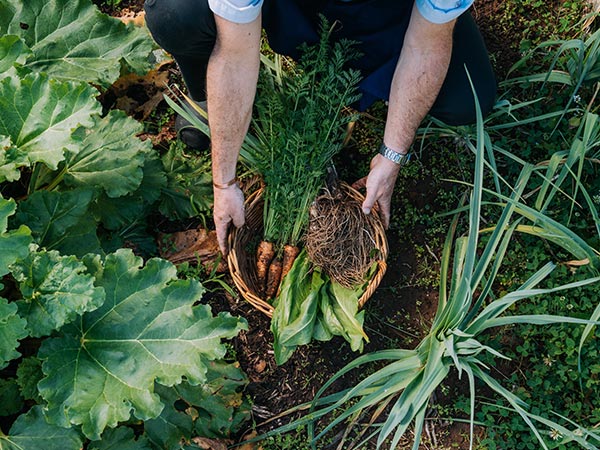
Keeping the spirit of generational organic farming alive is Fanelli Organics. Nestled in the Central Coast’s scenic and sleepy Mangrove Mountain, founders Eden and Louise Fanelli own over 45 hectares of plentiful farmland and orchards that produce a huge range of organic fruit and vegetables, like purple Dutch carrots, blood oranges, broccoli and Tuscan kale. A true home-grown operation, Fanelli Organics shares its fresh produce with local restaurants and community markets, including the beloved markets at Like Minds Cafe at Avoca Beach every Wednesday afternoon.
See where your food comes from at Fanelli Organics.
Paddock-to-plate dining
High-quality ingredients go hand in hand with premium dining, and the Central Coast is home to several paddock-to-plate restaurants that showcase its diverse and rich agriculture. Paired with warm, grassroots hospitality, there are culinary triumphs, new menus and revered chefs constantly popping up, putting the local dining scene firmly on the map.
Award-winning Mount White restaurant Saddles is a quintessential Australian dining destination, dedicated to country-style cooking and seasonal produce. Nestled in thick bushland with wraparound verandahs, floral gardens and an idyllic dam, the gourmet homestead and bakehouse is unlike any restaurant on the Central Coast. Here, head chef Reece Collins and his team serve up an impressive breakfast and lunch menu that oozes rustic charm. Pull up a comfy armchair on the expansive deck, listen to birdsong, and tuck into flavoursome dishes like the farmhouse Benedict with honey-cured ham, lemon myrtle hollandaise and Warrigal gremolata, or the hearty beef brisket pie with confit garlic potato purée and rainbow chard.
Taste country-style cooking at Saddles. (Image: Destination NSW)
Delivering a slice of sophistication and luxury to the shores and bushland of Bouddi Peninsula is Bells at Killcare. One of the few boutique resorts on the Central Coast, it’s known for its premium service and five-star suites, as well as its bountiful kitchen gardens that boast an orchard, olive trees, avocado trees, free-range hens and a honey bee hive.
Cameron Cansdell has returned to Bells at Killcare as head chef, bringing his expertise to the casual yet refined menus that feature a raw bar with Oscietra caviar, freshly shucked Sydney rock oysters and Moreton Bay bugs, all served alongside optional matched wines. Sample some of Australia’s best regional wines and standout dishes, like roasted Wollemi duck with grilled leeks, rocket, grilled grapes and 10-year-aged balsamic, or the shareworthy salt-crusted snapper with herb salad and salsa, before roaming the picturesque gardens, wine in hand.
Sample incredible wine, cocktails and dishes at Bells At Killcare. (Image: Nikki To)