13 reasons Coober Pedy is delightfully strange

hero media
Opal mining town enigma Coober Pedy is very special place. Very special. Here are 13 reasons why this is Australia’s most delightfully strange town.

1. Blowing up stuff is a proud tradition

Not too much gets blown up these days but back in the 1980s you could buy dynamite over the counter at the local supermarket. The locals would settle disputes by blowing things sky-high rather than with their fists or a trip to court. The said-same courthouse, a police car and a restaurant were all destroyed at one time or another (apparently with no related deaths).

2. No dynamite in the cinema, if you don’t mind

A legacy of that proudly pyrotechnic era is a message which still flashes up before the feature film at the local drive in: ‘Patrons: Explosives Are Not To Be Brought Into This Theatre – The Management’.

3. Surnames are banned

Well, not officially, but they’re not embraced nor encouraged. People go their whole lives out here just being called by their nickname, such as Pommy John or Chicken Man, without anyone ever finding out who they really are. Sometimes it’s best not to ask too many questions – if you get what I mean.

4. No one has a clue how many people live here

There are the two versions of Coober Pedy’s population: the official and the unofficial. The 2011 census stated that were 1695 residents living here. But even the local council laughs at that figure, claiming it to be nearer to “around 3500". So why the difference? Let’s just say that the town is a great place to come to get a “fresh start".

5. It’s like a film set jumble sale

Film prop Red Planet Coober Pedy
Film flotsam: a prop from Val Kilmer’s Red Planet surveys Coober Pedy’s main street (photo: Jonathan Cami).

The landscape around Coober Pedy has doubled for everything from post-apocalyptic wastelands to Mars, starring in films like Mad Max Beyond Thunderdome, Priscilla, Pitch Black (Vin Diesel) and Kangaroo Jack. You’ll stumble across the odd discarded (and the reclaimed) prop just walking around town, such as a Mad Max Interceptor and a ‘blaster’ from Val Kilmer’s flick Red Planet.

Need tips, more detail or itinerary ideas tailored to you? Ask AT.

AI Prompt

6. It’s amazingly multi-cultural

Underground Serbian Orthodox Church Coober Pedy
Subterranean worship: the underground Serbian Orthodox Church, Coober Pedy (photo: Jonathan Cami).

Uncharacteristically for a small Australian country town of only a few thousand souls, Coober Pedy is intensely multicultural. In fact, with 45-plus cultures, from Serbians to Sri Lankans, it could be the most diverse place per capita in Australia. The Greek community is still one of the most dominant.

7. It’s got more opal shops than anywhere else on Earth

Opal shop Coober Pedy
Opal shops are just one of the many places you can buy the precious gems in Coober Pedy (photo: Jonathan Cami).

Again, another unofficial Coober Pedy statistic which could or could not be true. But we’re not talking about official shops anyway, of which there are plenty, but more the fact that you can buy a precious gem pretty much anywhere in town: from hotels and cafes to, well, other places that don’t offer money-back guarantees; the backbone of the ‘black opal economy’ here.

8. Most holey

One Coober cliché that lives up to the hype are comparisons with the moon’s surface (because of the countless chasm-like craters from disused mines, each with its own little pile of dirt next to it). There is no ‘backfill’ order in the town (you don’t have to fill in your claim), which gives you an endless choice of where to hide a ‘ratter’ (an opal thief). Well, so the legend goes.

9. Second-chance draw

This lack of a backfill regulation does have an upside, helping out budding and struggling miners who can’t afford the equipment to dig their own claims. It’s estimated that around 40 per cent of opal is found by “secondary" miners and noodlers: people who sift through a mine’s waste dirt. Visitors can do this at a couple of sites in town. You never know.

10. Immortal boots

Legend has it that Coober Pedy’s cemetery, Boot Hill, is named thus because people here work so hard and long that they die, and are buried, with their boots on.

Weekly travel news, experiences
insider tips, offers, and more.

11. Boiling earth

The Breakaways Coober Pedy
The ground near the Breakaways, 30 kilomotres from Coober Pedy, can reach 65 degrees Celsius (photo: Jonathan Cami).

The desert earth of the ‘Moon Plain’ near the Breakaways Reserve, a stunning rock formation and sacred indigenous site about 30 kilometres outside town, can reach temperatures of 65 degrees when the summer air temps hit 45-plus.

12. Natural air-con

Famously, dugouts (ex-mines or custom-dug underground homes) are the residences of choice in Coober Pedy for one good reason: even when the outside temperatures nudge 50 degrees, the interiors stay in a totally liveable mid-twenties.

13. Underground worship

You can do almost anything underground in Coober Pedy; from eat, drink, visit museums and, of course, worship the denomination of your choice. There are a handful of underground churches including the Serbian Orthodox Church, Anglican Catacomb Church and the Catholic Church of St Peter and St Paul. The catchment area covered by the priest of St Peter and St Paul on his ‘bush run’ is apparently the size of Texas, stretching from the Western Australian border to Birdsville.

Old mining truck Coober Pedy
An old ‘blower’ retires into the Coober Pedy landscape (photo: Jonathan Cami).


MORE… Get to Coober Pedy the adventurous way. What’s it like to drive the Explorer’s Way

Want to see more stories from Australian Traveller in your Google search results?

  1. Click here to set Australian Traveller as a preferred source.
  2. Tick the box next to "Australian Traveller". That's it.
hero media

Why the Central Coast is a foodie mecca

    Elise Cullen Elise Cullen
    Underpinned by grassroots hospitality and award-winning organic produce, the Central Coast’s gastronomy scene is thriving, with the region quickly becoming one of the best destinations in NSW for epicures.

    Revered for its rugged natural splendour and laid-back seaside charm, NSW’s Central Coast has soared in popularity in recent years, becoming a top choice for an affordable slice of weekend escapism for Sydneysiders. Just a short 45-minute drive north of Sydney, it’s the kind of place that, no matter how many times you visit, leaves you with the sense that there’s always more to uncover. But while the ocean pools, bushwalks and beaches have (rightly) taken the spotlight, it’s the Central Coast food offerings which have been quietly simmering in the background.

    From fresh-as-it-gets seafood and juicy organic citrus you can pluck yourself, through to regenerative farming and reputable farm-to-fork dining, this coastal gem has become an idyllic foodie mecca. Here are some of the best ways to immerse yourself in grassroots hospitality and gastronomic glory on the NSW Central Coast.

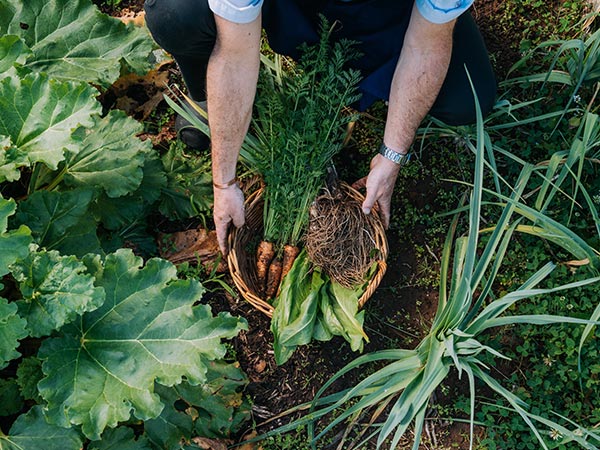
    vegetables in a basket at Bells Garden at Bells At Killcare
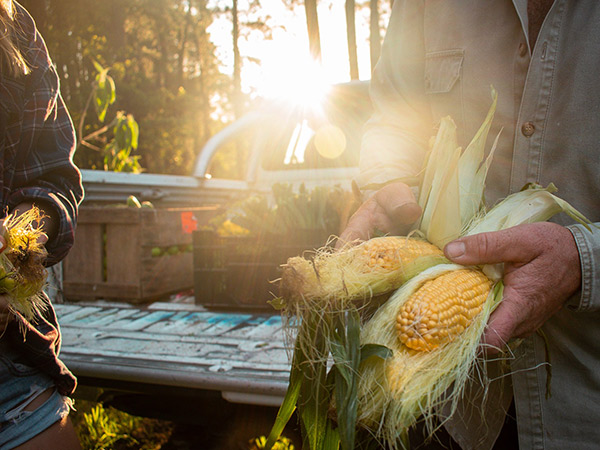
    From picking your own, to farm-to-table, discover the best Central Coast food experiences. (Image: Remy Brand)

    Central Coast oyster experiences

    From humble grub to opulent delicacy, oysters have ascended into a league of their own. Epicureans are fascinated by them – willing to pay upwards of $35 per dozen (double at some of Sydney’s reputable fine dining restaurants) – and ‘shuck bars’ seem to be popping up at every milestone celebration.

    But it’s rare to find places that really draw back the curtain on how they’re farmed and why everyone is mad for these molluscs. The Central Coast, however, is home to several of these venues. With its pristine waters, mild climate and nutrient-rich estuaries, it’s the perfect breeding ground for oysters.

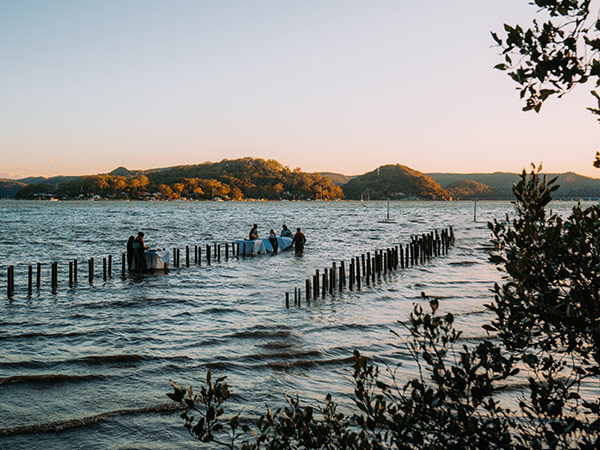
    Learn about oyster farming and, importantly, how to shuck them at Sydney Oyster Farm Tours. Nestled on the Hawkesbury River at Mooney Mooney, Sheridan Beaumont and her team offer a hands-on foodie experience where you can feast on dozens of oysters (white tablecloth and all) while wading through the calm waters. You can even bring your own bottle of bubbles to wash them down.

    guests in the water for an experience at Sydney Oyster Farm - Central Coast food
    Learn tricks of the trade at Sydney Oyster Farm Tours. (Image: Remy Brand)

    Elevate your oyster knowledge even further by heading north over the Hawkesbury River Bridge to the Hawkesbury River Oyster Shed. Tour their scenic oyster leases and saltwater paddocks by boat to uncover the distinct characteristics of the Sydney rock oyster and creamy Pacific oyster. They’ve also partnered with Broken Bay Pearl Farm to offer a one-of-a-kind oyster and pearl farming guided tour, showcasing the Central Coast’s very own pearl oyster, the Broken Bay ‘Akoya’. But if you’re simply in the mood to devour a dozen delectable oysters while soaking in the tranquil river views, pull up a chair at the shed. It’s friendly in every sense of the word: pets, families and BYO welcome.

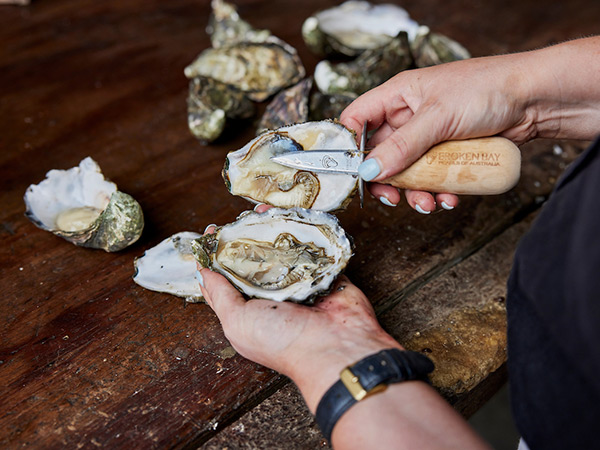
    shucking oysters at Broken Bay Pearl Farm
    Taste freshly shucked oysters at Broken Bay Pearl Farm. (Image: James Horan)

    Central Coast farms to pick your own fruit

    While the Central Coast is known for its breathtaking 40 beaches and 80-kilometre coastline, its lush hinterland is equally impressive – abundant with orchards and agriculturally rich farmland. And when it comes to the simple joy of picking your own fruit, the Central Coast is a ripe playground.

    Family-owned Meliora Farm at Peats Ridge is an orchard that blends conventional, biodynamic and organic philosophies. Third-generation farmer Tim Kemp and his wife Elise are dedicated to honouring the family legacy by growing a rich variety of oranges, lemons, limes, mandarins and avocados. In late May, roam the sustainable and nutrient-dense property during ‘Pick Your Own’ weekends.

    Eastcoast Beverages is another bountiful citrus orchard boasting over 60 hectares of fruit. From June you can learn about the cultivation of high-quality ingredients – like lemons, limes, grapefruit and oranges – by touring both the farm and factory before setting out and picking your own straight from the source. You can also sample an array of citrus-inspired sweet and savoury treats at their on-site cafe, Bambino’s.

    If it’s just juicy oranges you’re after, Cedar Farm in Dooralong is a must-visit. Located about 30 minutes north of Peats Ridge, it features 15 flourishing orchards and over 3000 orange trees – with take-home bags during the season (from July) at low prices. Not bad for a fruity weekend haul.

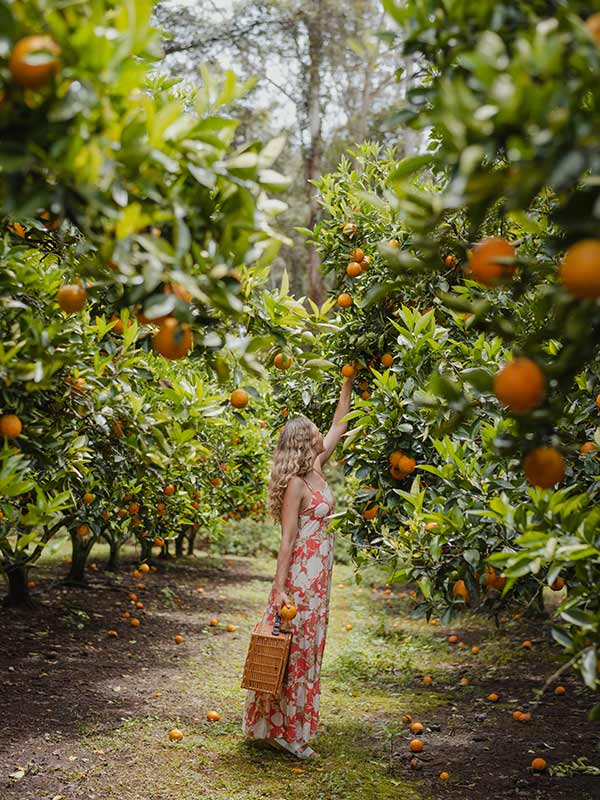
    woman picking oranges at Oranges at Dooralong
    Pick your own citrus fruits on the Central Coast. (Image: James Vodicka)

    Organic dining

    What makes the Central Coast hinterland so special is the unwavering respect the communities have for their cherished backyard. Locally owned and operated farms are all striving for more sustainable practices and methods to both enhance biodiversity and reduce environmental impact, each with a heartwarming food philosophy.

    The Food Farm in Wyong Creek believes good food is worth both the work and the wait. Devoted to regenerative farming, first-generation ‘farmily’ Tim Eyes and Hannah Greenshields are recognised for their grass-fed, grass-finished beef and pasture-raised, gold medal-winning chickens. With an open gate policy, The Food Farm encourages visitors to swing by and try some of their slow-grown produce at their small ‘honesty’ farm shop. With no staff, you can pick up a few quality cuts of meat and pasteurised eggs, leaving the owing amount in cash or via eftpos.

    Keeping the spirit of generational organic farming alive is Fanelli Organics. Nestled in the Central Coast’s scenic and sleepy Mangrove Mountain, founders Eden and Louise Fanelli own over 45 hectares of plentiful farmland and orchards that produce a huge range of organic fruit and vegetables, like purple Dutch carrots, blood oranges, broccoli and Tuscan kale. A true home-grown operation, Fanelli Organics shares its fresh produce with local restaurants and community markets, including the beloved markets at Like Minds Cafe at Avoca Beach every Wednesday afternoon.

    farmers holding fresh produce picked at Fanelli Organics
    See where your food comes from at Fanelli Organics.

    Paddock-to-plate dining

    High-quality ingredients go hand in hand with premium dining, and the Central Coast is home to several paddock-to-plate restaurants that showcase its diverse and rich agriculture. Paired with warm, grassroots hospitality, there are culinary triumphs, new menus and revered chefs constantly popping up, putting the local dining scene firmly on the map.

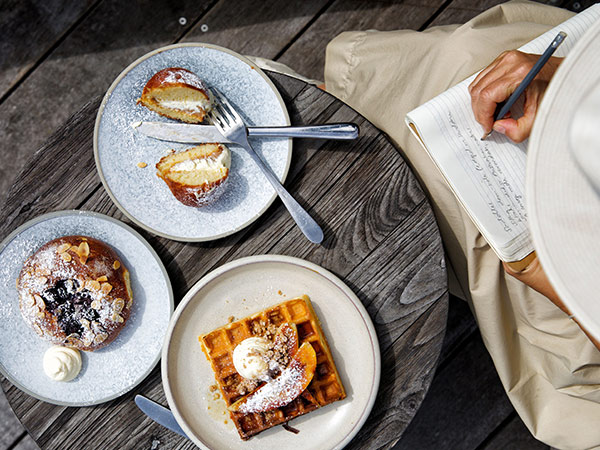
    Award-winning Mount White restaurant Saddles is a quintessential Australian dining destination, dedicated to country-style cooking and seasonal produce. Nestled in thick bushland with wraparound verandahs, floral gardens and an idyllic dam, the gourmet homestead and bakehouse is unlike any restaurant on the Central Coast. Here, head chef Reece Collins and his team serve up an impressive breakfast and lunch menu that oozes rustic charm. Pull up a comfy armchair on the expansive deck, listen to birdsong, and tuck into flavoursome dishes like the farmhouse Benedict with honey-cured ham, lemon myrtle hollandaise and Warrigal gremolata, or the hearty beef brisket pie with confit garlic potato purée and rainbow chard.

    woman writing in notebook next to a table of food at Saddles, Central Coast food
    Taste country-style cooking at Saddles. (Image: Destination NSW)

    Delivering a slice of sophistication and luxury to the shores and bushland of Bouddi Peninsula is Bells at Killcare. One of the few boutique resorts on the Central Coast, it’s known for its premium service and five-star suites, as well as its bountiful kitchen gardens that boast an orchard, olive trees, avocado trees, free-range hens and a honey bee hive.

    Cameron Cansdell has returned to Bells at Killcare as head chef, bringing his expertise to the casual yet refined menus that feature a raw bar with Oscietra caviar, freshly shucked Sydney rock oysters and Moreton Bay bugs, all served alongside optional matched wines. Sample some of Australia’s best regional wines and standout dishes, like roasted Wollemi duck with grilled leeks, rocket, grilled grapes and 10-year-aged balsamic, or the shareworthy salt-crusted snapper with herb salad and salsa, before roaming the picturesque gardens, wine in hand.

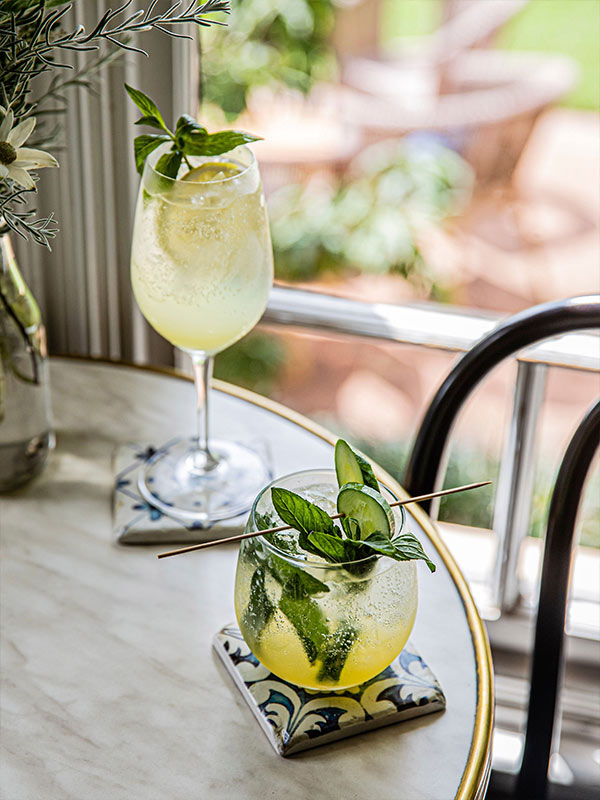
    cocktail at Bells At Killcare
    Sample incredible wine, cocktails and dishes at Bells At Killcare. (Image: Nikki To)

    Plan your next visit to the delicious Central Coast.

    13 Reasons Coober Pedy Is Delightfully Strange