The Deep South Australia coastal walk to a hidden waterfall

hero media
Just 100 kilometres from Adelaide, a relatively unknown guided walk reveals the magic and mystery of the southern Fleurieu Peninsula.

I’ve never known Australia’s most iconic marsupials to be camera shy. Usually they can be relied upon to glance up disinterestedly between mouthfuls of grass or take a few bounds away before peering warily over their shoulders. But the mob of western greys at Tapanappa Ridge is stubbornly refusing to look in my direction.

Southern Ocean Walk
The perfect sunset view at Tapanappa Ridge. Photo: Southern Ocean Walk Barry Duykers

Still, it’s hard to blame them when I check out the alternative. A wall of cliffs stretches up the coast like gap-toothed baleen broken by glittering green slopes sliding straight into the ocean. Tiny hidden coves and broad beaches alike are pounded by waves that have travelled all the way from Antarctica. In the other direction, the outline of Kangaroo Island is discernable beyond undulating hills of open woodland thick with wildflowers. And despite the sense of isolation, this rugged stretch of coastline south of Adelaide is surprisingly accessible.

A hidden gem

“It never ceases to amaze me how many people in South Australia have never been to Deep Creek," Barry Duyker says. “It’s simply incomprehensible". After four days in his company, I’m inclined to agree. The Conservation Park sits at the very tip of the Fleurieu Peninsula, where the Mount Lofty Ranges that form the peninsula’s backbone meet the western edge of the Murray Mallee. The combination of these intersecting ecosystems and the area’s hyperkinetic topography means the region harbours an astonishing variety of landscapes, from wild ocean beaches and estuaries to shifting dunes, lofty clifftops, open woodland and thick sclerophyll forest.

Southern Ocean Walk
You’ll trek through a variety of landscapes along the Southern Ocean Walk in South Australia. Photo: Southern Ocean Walk Barry Duykers.

Barry and his wife Jane have spent 25 years providing accommodation for visitors who want to see the region without camping, and in 2018 they launched a guided walk using one of their homesteads as a base. Each section of the pack-free four-day walk covers 12 –14 kilometres, meaning that it’s approachable for anyone with a decent level of fitness. And because of its proximity to Adelaide, it’s easy to completely immerse oneself in this stunning and ever-changing landscape without having to take more than a couple of days off. Barry will even pick you up from the city if you don’t have time for a lazy drive through McLaren Vale.

Only the beginning

The trail starts at Cape Jervis, which overlooks the Backstairs Passage between the mainland and Kangaroo Island. Visible across the steely blue water, its towering sea cliffs and undulating pastures will be a constant companion for the walk’s first few days. In the foreground, orange lichen-covered granite and farmland that’s lush despite a dry winter compete for attention with a small sign announcing the start of the Heysen Trail.

Southern Ocean Walk
Striking orange lichen-covered granite along the coast at Aaron Cove. Photo: Southern Ocean Walk Barry Duykers

It’s a rather humble beginning for the longest dedicated walking track in the country. The trail stretches 1200 kilometres to the Flinders Ranges in the state’s arid north, but the Southern Ocean Walk covers just a fraction of that distance. Over four days, we’ll travel as far as the holiday town of Victor Harbor but it soon becomes clear that this is not a simple stroll.

Need tips, more detail or itinerary ideas tailored to you? Ask AT.

AI Prompt

Cliff notes

The Fleurieu looks like a placid land of gently rolling hills from a distance, but up close those hills can be surprisingly steep. The undulations mean there’s no shortage of climbing on the walk and soon we’ve all worked up a sweat. Still, Barry says with a smile, “that’s what makes the landscape interesting."

Marrano Creek
The 4-day hike will take you past Marrano Creek. Photo: Southern Ocean Walk Barry Duykers.

The trail begins in private farmland, occasionally tracking inland to avoid the steepest ravines, but further on there’s reason to be grateful for the hills. The topography of the land, which was too rugged and steep for bullock carts, is what saved the remnant vegetation at Deep Creek. The demand for dairy farms and summer homes means that 90 per cent of the Fleurieu’s native vegetation has been cleared. It makes both Deep Creek and nearby Newland Head Conservation Park vitally important pockets of remnant bushland, and both protect many endangered species.


The cliffs overlooking the Southern Ocean don’t just provide spectacular views; they’re also home to the ospreys that wheel overhead. Newland Head is also home to white-bellied sea eagles that were until recently the only breeding pair on South Australia’s mainland, and the track was re-routed in 2006 to protect them.

Forest bathing

In Deep Creek, the trail meanders past cascades and crossings where the sound of trickling water mingles with birdsong and surprisingly melodic frogs that serenade us from the water’s surface. Pockets of deliciously cool air travel above the creeks, but the most refreshing spot is Deep Creek Waterfall. There, tannin-stained waters cascade over rocks to an appropriately deep pool that remains chilly even in the middle of summer.

Southern Ocean Walk
Deep Creek Waterfall is a highlight along the walk. Photo: Southern Ocean Walk Barry Duykers.


The trail follows the contours of the land, winding past coastal overlooks and offering views of the slopes opposite where daubs of brilliant yellow wattle are splashed between clumps of pink gums that resemble florets of broccoli from a distance. Closer at hand, glimpses of purple, yellow and white by the path turn out to be delicate native orchids with intricate patterns of spikes, spots and beards. And everywhere, from fire-scarred valleys to dense bushland, an unmanageable profusion of shaggy xantheria plants springs forth, their spiky crowns of grass-like leaves making them look like something from a Dr. Seuss book.

Southern Ocean Walk
A spider orchid spotted along the trek. Photo: Southern Ocean Walk Barry Duykers.
Southern Ocean Walk
There is an abundance of native flora and fauna along the 4-day hike. Photo: Southern Ocean Walk Barry Duykers.

Weekly travel news, experiences
insider tips, offers, and more.

Comfort zone

Because nights are spent at a homestead within Deep Creek, there’s no need to search for a flat spot to pitch a tent at the end of each day. And if the lure of a warm shower and fresh clothes isn’t enough, we’re greeted by little touches like a warm foot bath with lavender and Epsom salts (made even more relaxing by the local sparkling that accompanies them). The meals showcase food and wine drawn from the surrounding region, right down to mid-hike morning tea from the Willunga Farmers’ Market down the road, and the three-course dinners are enough to sate even the heartiest of appetites.


But the location is isolated enough that it’s easy to forget about the rest of the world. If you want network coverage, you’ll need to walk to the top of the nearest hill, and Barry describes the homestead as comfortable rather than luxurious. Still, I feel pretty snug sitting next to the combustion heater in the morning and watching the abundant roos pad over the frost-covered lawns. In fact, I think one of them just looked at me with a hint of jealousy.


Want to know more about travelling South Australia? Read our ultimate travel guide to South Australia here.

Want to see more stories from Australian Traveller in your Google search results?

  1. Click here to set Australian Traveller as a preferred source.
  2. Tick the box next to "Australian Traveller". That's it.
Alexis Buxton-Collins
Alexis Buxton-Collins spent his twenties working as a music journalist and beer taster before somehow landing an even dreamier job as a freelance travel writer. Now he travels the world from his base in Adelaide and contributes to publications including Qantas, Escape, The Guardian and Lonely Planet. Alexis has never seen a hill he didn't want to climb and specialises in outdoor adventures (he won the 2022 ASTW award for best nature/wildlife story for a feature on Kangaroo Island). When he's not scouring South Australia for the newest wineries and hikes, he's looking for excuses to get back to spots like Karijini and Ningaloo.
View profile and articles
hero media

Why the Central Coast is a foodie mecca

    Elise Cullen Elise Cullen
    Underpinned by grassroots hospitality and award-winning organic produce, the Central Coast’s gastronomy scene is thriving, with the region quickly becoming one of the best destinations in NSW for epicures.

    Revered for its rugged natural splendour and laid-back seaside charm, NSW’s Central Coast has soared in popularity in recent years, becoming a top choice for an affordable slice of weekend escapism for Sydneysiders. Just a short 45-minute drive north of Sydney, it’s the kind of place that, no matter how many times you visit, leaves you with the sense that there’s always more to uncover. But while the ocean pools, bushwalks and beaches have (rightly) taken the spotlight, it’s the Central Coast food offerings which have been quietly simmering in the background.

    From fresh-as-it-gets seafood and juicy organic citrus you can pluck yourself, through to regenerative farming and reputable farm-to-fork dining, this coastal gem has become an idyllic foodie mecca. Here are some of the best ways to immerse yourself in grassroots hospitality and gastronomic glory on the NSW Central Coast.

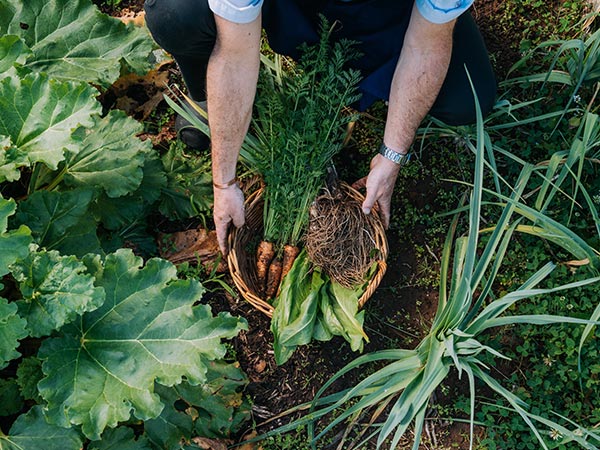
    vegetables in a basket at Bells Garden at Bells At Killcare
    From picking your own, to farm-to-table, discover the best Central Coast food experiences. (Image: Remy Brand)

    Central Coast oyster experiences

    From humble grub to opulent delicacy, oysters have ascended into a league of their own. Epicureans are fascinated by them – willing to pay upwards of $35 per dozen (double at some of Sydney’s reputable fine dining restaurants) – and ‘shuck bars’ seem to be popping up at every milestone celebration.

    But it’s rare to find places that really draw back the curtain on how they’re farmed and why everyone is mad for these molluscs. The Central Coast, however, is home to several of these venues. With its pristine waters, mild climate and nutrient-rich estuaries, it’s the perfect breeding ground for oysters.

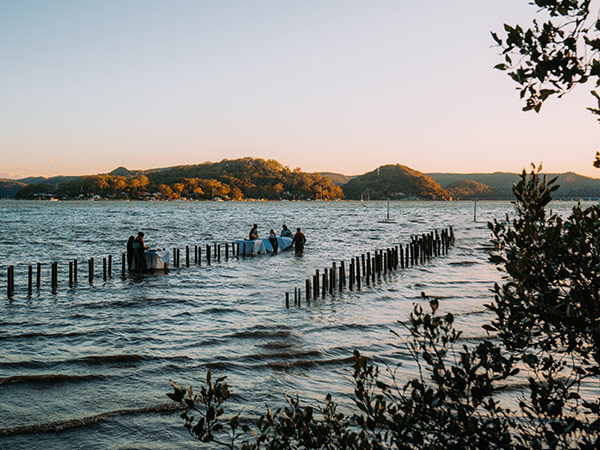
    Learn about oyster farming and, importantly, how to shuck them at Sydney Oyster Farm Tours. Nestled on the Hawkesbury River at Mooney Mooney, Sheridan Beaumont and her team offer a hands-on foodie experience where you can feast on dozens of oysters (white tablecloth and all) while wading through the calm waters. You can even bring your own bottle of bubbles to wash them down.

    guests in the water for an experience at Sydney Oyster Farm - Central Coast food
    Learn tricks of the trade at Sydney Oyster Farm Tours. (Image: Remy Brand)

    Elevate your oyster knowledge even further by heading north over the Hawkesbury River Bridge to the Hawkesbury River Oyster Shed. Tour their scenic oyster leases and saltwater paddocks by boat to uncover the distinct characteristics of the Sydney rock oyster and creamy Pacific oyster. They’ve also partnered with Broken Bay Pearl Farm to offer a one-of-a-kind oyster and pearl farming guided tour, showcasing the Central Coast’s very own pearl oyster, the Broken Bay ‘Akoya’. But if you’re simply in the mood to devour a dozen delectable oysters while soaking in the tranquil river views, pull up a chair at the shed. It’s friendly in every sense of the word: pets, families and BYO welcome.

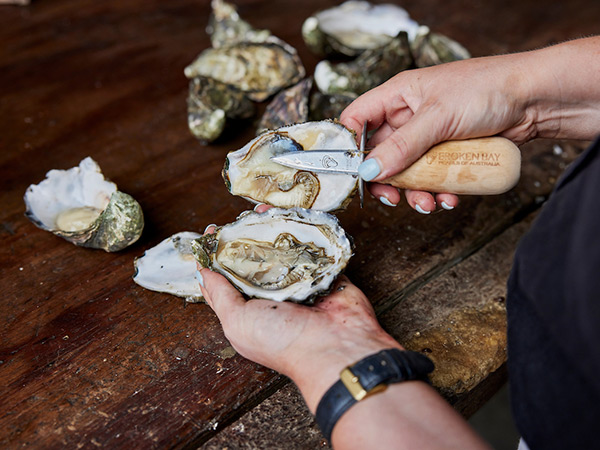
    shucking oysters at Broken Bay Pearl Farm
    Taste freshly shucked oysters at Broken Bay Pearl Farm. (Image: James Horan)

    Central Coast farms to pick your own fruit

    While the Central Coast is known for its breathtaking 40 beaches and 80-kilometre coastline, its lush hinterland is equally impressive – abundant with orchards and agriculturally rich farmland. And when it comes to the simple joy of picking your own fruit, the Central Coast is a ripe playground.

    Family-owned Meliora Farm at Peats Ridge is an orchard that blends conventional, biodynamic and organic philosophies. Third-generation farmer Tim Kemp and his wife Elise are dedicated to honouring the family legacy by growing a rich variety of oranges, lemons, limes, mandarins and avocados. In late May, roam the sustainable and nutrient-dense property during ‘Pick Your Own’ weekends.

    Eastcoast Beverages is another bountiful citrus orchard boasting over 60 hectares of fruit. From June you can learn about the cultivation of high-quality ingredients – like lemons, limes, grapefruit and oranges – by touring both the farm and factory before setting out and picking your own straight from the source. You can also sample an array of citrus-inspired sweet and savoury treats at their on-site cafe, Bambino’s.

    If it’s just juicy oranges you’re after, Cedar Farm in Dooralong is a must-visit. Located about 30 minutes north of Peats Ridge, it features 15 flourishing orchards and over 3000 orange trees – with take-home bags during the season (from July) at low prices. Not bad for a fruity weekend haul.

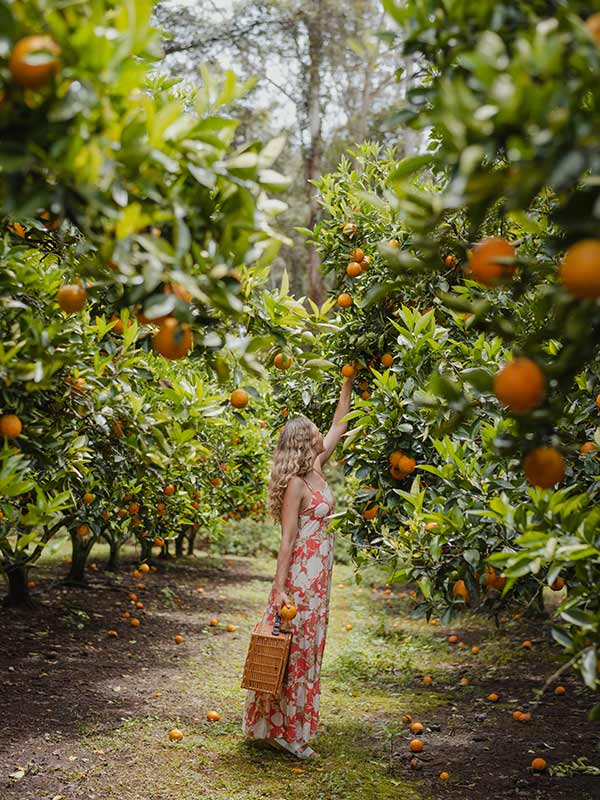
    woman picking oranges at Oranges at Dooralong
    Pick your own citrus fruits on the Central Coast. (Image: James Vodicka)

    Organic dining

    What makes the Central Coast hinterland so special is the unwavering respect the communities have for their cherished backyard. Locally owned and operated farms are all striving for more sustainable practices and methods to both enhance biodiversity and reduce environmental impact, each with a heartwarming food philosophy.

    The Food Farm in Wyong Creek believes good food is worth both the work and the wait. Devoted to regenerative farming, first-generation ‘farmily’ Tim Eyes and Hannah Greenshields are recognised for their grass-fed, grass-finished beef and pasture-raised, gold medal-winning chickens. With an open gate policy, The Food Farm encourages visitors to swing by and try some of their slow-grown produce at their small ‘honesty’ farm shop. With no staff, you can pick up a few quality cuts of meat and pasteurised eggs, leaving the owing amount in cash or via eftpos.

    Keeping the spirit of generational organic farming alive is Fanelli Organics. Nestled in the Central Coast’s scenic and sleepy Mangrove Mountain, founders Eden and Louise Fanelli own over 45 hectares of plentiful farmland and orchards that produce a huge range of organic fruit and vegetables, like purple Dutch carrots, blood oranges, broccoli and Tuscan kale. A true home-grown operation, Fanelli Organics shares its fresh produce with local restaurants and community markets, including the beloved markets at Like Minds Cafe at Avoca Beach every Wednesday afternoon.

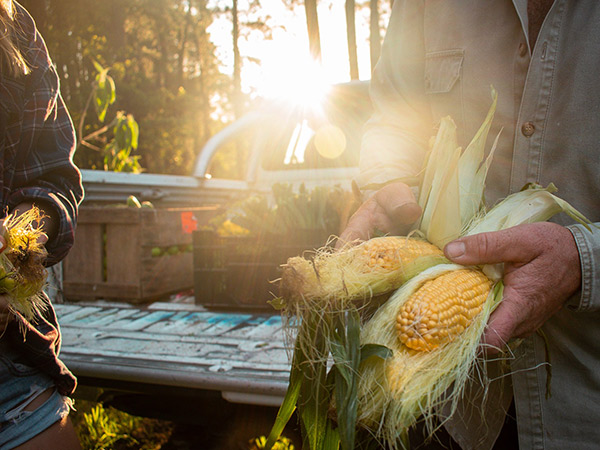
    farmers holding fresh produce picked at Fanelli Organics
    See where your food comes from at Fanelli Organics.

    Paddock-to-plate dining

    High-quality ingredients go hand in hand with premium dining, and the Central Coast is home to several paddock-to-plate restaurants that showcase its diverse and rich agriculture. Paired with warm, grassroots hospitality, there are culinary triumphs, new menus and revered chefs constantly popping up, putting the local dining scene firmly on the map.

    Award-winning Mount White restaurant Saddles is a quintessential Australian dining destination, dedicated to country-style cooking and seasonal produce. Nestled in thick bushland with wraparound verandahs, floral gardens and an idyllic dam, the gourmet homestead and bakehouse is unlike any restaurant on the Central Coast. Here, head chef Reece Collins and his team serve up an impressive breakfast and lunch menu that oozes rustic charm. Pull up a comfy armchair on the expansive deck, listen to birdsong, and tuck into flavoursome dishes like the farmhouse Benedict with honey-cured ham, lemon myrtle hollandaise and Warrigal gremolata, or the hearty beef brisket pie with confit garlic potato purée and rainbow chard.

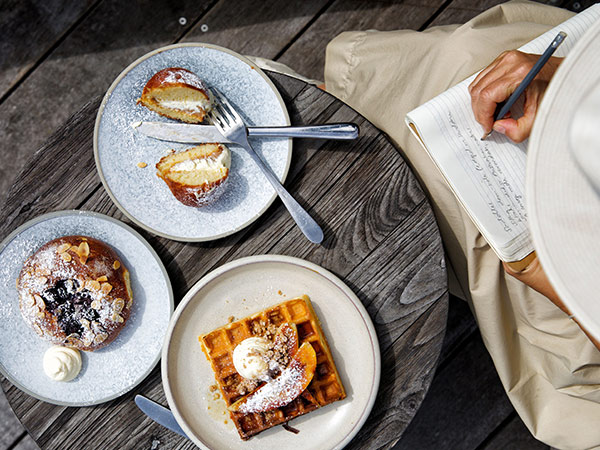
    woman writing in notebook next to a table of food at Saddles, Central Coast food
    Taste country-style cooking at Saddles. (Image: Destination NSW)

    Delivering a slice of sophistication and luxury to the shores and bushland of Bouddi Peninsula is Bells at Killcare. One of the few boutique resorts on the Central Coast, it’s known for its premium service and five-star suites, as well as its bountiful kitchen gardens that boast an orchard, olive trees, avocado trees, free-range hens and a honey bee hive.

    Cameron Cansdell has returned to Bells at Killcare as head chef, bringing his expertise to the casual yet refined menus that feature a raw bar with Oscietra caviar, freshly shucked Sydney rock oysters and Moreton Bay bugs, all served alongside optional matched wines. Sample some of Australia’s best regional wines and standout dishes, like roasted Wollemi duck with grilled leeks, rocket, grilled grapes and 10-year-aged balsamic, or the shareworthy salt-crusted snapper with herb salad and salsa, before roaming the picturesque gardens, wine in hand.

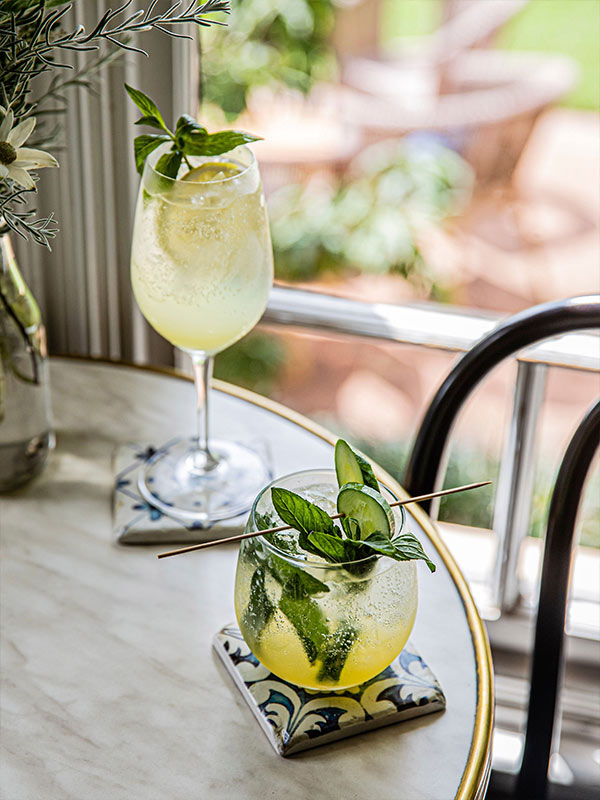
    cocktail at Bells At Killcare
    Sample incredible wine, cocktails and dishes at Bells At Killcare. (Image: Nikki To)

    Plan your next visit to the delicious Central Coast.

    Southern Ocean Walk: 4 Days Walking Australia’s Deep South