As part of our ongoing ‘Everything you need to know about cruising‘ series, here’s everything a cruise novice considering taking the plunge on your first water-top holiday needs to consider before you set sail.
When it comes to your first time cruising, expect to do a lot of choosing. From the type of cruise line to your ideal cabin, itinerary, shore excursions and add-ons, making sure your maiden voyage is an incredible experience takes a little research. But fear not, we’ve dived into the details for this guide on how to ensure your first time is the best time.
More from our ‘Everything you need to know about cruising’:
Which cruise line? The dummy’s guide to choosing a cruise line
Cruise vs Resort: the pros and cons of the different holidays
All the questions you ever wanted to ask about cruising answered
How to book your first-ever cruise
Choosing your first cruise
First things first, you’ll need to do some digging on the type of cruise that will float your boat. We’ve put together a comprehensive guide to cruise line companies in Australia, where you can find out who offers what. For everything else, read on.
How to know if a cruise holiday is for you
Well, you may not know until you’re onboard. But there are a few things you can do to give yourself every chance to love it. Firstly, speak to friends and family who are regular cruisers to get the lowdown. If you have similar interests, there’s a good chance you’ll like their suggestions for cruise lines and itineraries. Also, do your research and make sure you know the demographics, amenities of the ship and amount of sea days before you book your cruise.
If you’re keen to explore and spend more time on land, you might prefer a river cruise in Europe, where there’s a lot of time off-boat. If you are looking for a flop-and-drop resort-style escape, you’ll be looking at cruise lines that offer plenty of onboard recreation. If you’re going with kids, you’ll want to make sure the ship has plenty to entertain them, but if you’re not, then make sure you’re not travelling during holiday periods.
What type of cruise is best for your first time?
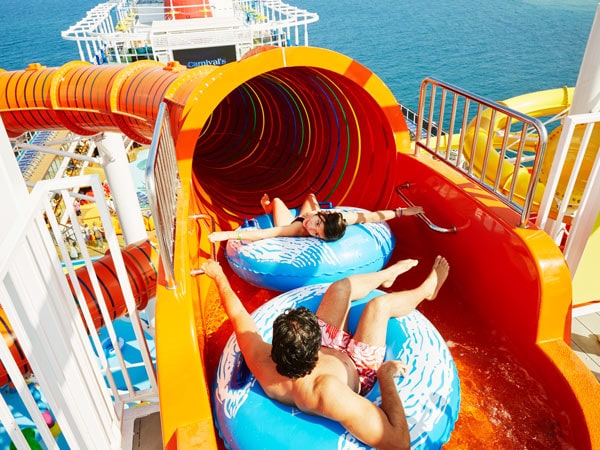
The answer to this depends on what you think you’ll get the most enjoyment from, but cruise wisdom dictates, that if this is your first cruise, look for a big ship with plenty of bells and whistles.
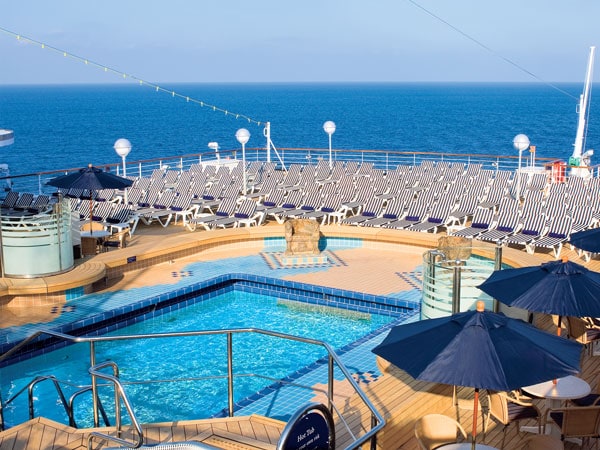
This will give you the opportunity to explore all the types of activities that cruises offer, from spas to bars and pool decks to nightly events, as larger ships typically offer more. Then, next time, refine your selection and go with a ship more tailored to your interests.
How long should your first cruise be?
It seems prudent to go short for your first foray and there are a few three-to-five-night options out there. But keep in mind, holiday time is different to regular time – it flies! There’s also a lot to explore on a big cruise liner and you’ll probably need a minimum of five-to-seven nights to really hit your most relaxed stride. Conversely, you don’t want to embark on a super-long voyage, just in case you don’t find your sea legs.
What are the best adults-only cruises?
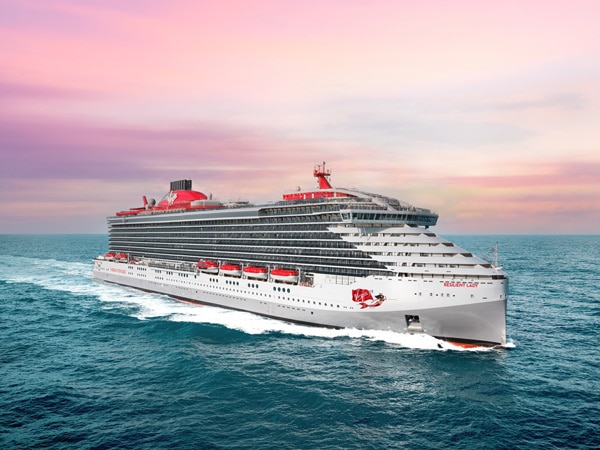
If you’re looking to cruise without a single child within cooee, there are a couple of cruise lines that are strictly 18+. Virgin Voyages does rockstar luxury with a younger-ish demographic, while Viking offers luxury river and ocean cruises. There are other cruise lines, which although aren’t strictly sans kids, don’t specifically cater to them and are rather cost-prohibitive for bringing your brood along, such as the ultra-luxe Regent Seven Seas Cruises, and Seabourn, which seems to actively discourage kids by providing no activities for children except lectures.
Which cruises are best for families?
When you think of cruising as a family, you’ll no doubt imagine those large ships festooned with colourful waterslides and decks full of kid-oriented entertainment. Undeniably, the floating amusement park factor is one of the biggest drawcards of cruising as a family; you know they’ll have fun in the kids’ club, while you can safely slip away for a few hours of poolside chill. It’s the big cruise lines that do this very well.
Of course, Disney Cruise Line is high on the list with an incredible kids’ club; Princess Cruises cater to kids aged six months and up; Carnival Cruise Line has waterslides and waterparks, as well as clubs that cater for children aged two to 17.
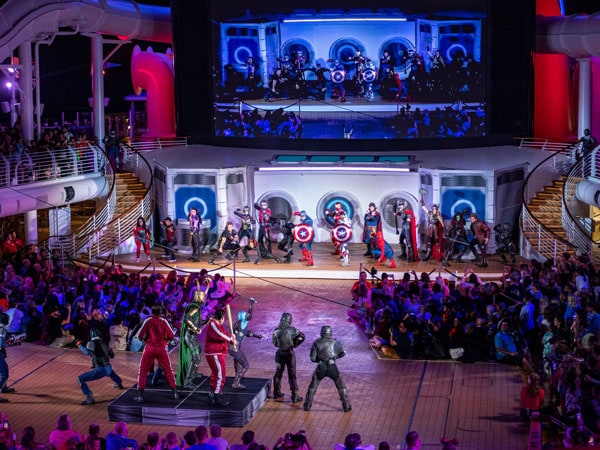
P&O has clubs starting from two years old and an adventure park complete with rock climbing, while Royal Caribbean has its Adventure Ocean kids program with everything from science labs to theatres and pool parties. Do a thorough comparison to find the best fit for your family.

What to look for in a cruise itinerary (departing Australia)
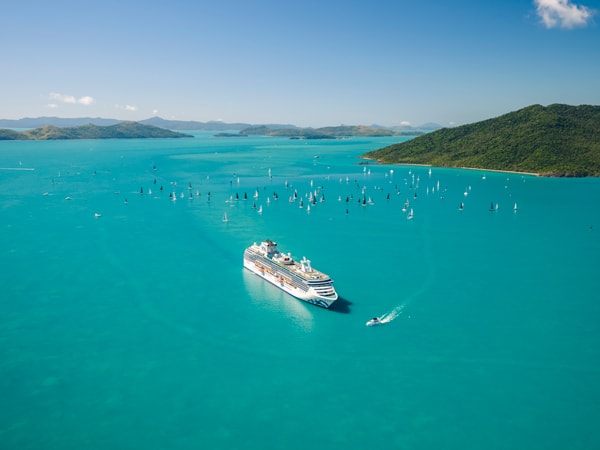
When you book a cruise from Australia, keep in mind, you’ll naturally be spending quite a bit of time at sea, so be sure your ship has plenty to offer in terms of onboard entertainment. But you’ll also want to look at how long you’ll spend at sea versus in port, after all, the appeal of a cruise is to travel to new destinations in a floating resort. Also, look at the length of the cruise and the time of year as both these can impact your experience.
Booking your first cruise
If your finger is hovering over the ‘book now’ button on your chosen cruise, hold fire for a moment while you read this story on how to book your first-ever cruise. And be sure you know the below before you go.
How much do cruises cost?
You can find cruises to suit just about every budget, from all-inclusive luxury experiences to more thrifty thrills. At the lower end of the spectrum, cruises can cost as little as $115-$185 per night with a major cruise line, such as P&O or Royal Caribbean. On the upper spectrum, such as Viking, you could be looking at anywhere from $500-$1000. Of course, there are exceptions in every category and sailing off-peak is always going to achieve greater bang for your buck. Do keep in mind that while many cruises offer inclusions, costs onboard can still add up quickly and you may need to pay for things such as shore excursions, alcohol, spa treatments, tipping and some activities.
What’s the best way to book your first cruise?
There are a lot of tempting cruise deals circling out there in the murky waters of the internet, but be warned, a lot of these are designed to ensnare novice cruisers or those looking for a bargain basement holiday. These deals rarely deliver the best experience, and frequently the worst. Instead, call the cruise line directly to book or enlist the help of a cruise specialist. These consultants have knowledge as vast as the ocean and can direct you to the best value and style of cruise for you.
When is the best time to book a cruise?
While you’re onboard! You can often score yourself a substantial discount by booking your next cruise at the onboard office while enjoying your current one. Otherwise, for cruises departing Australia, you can often find deals in January and February for cruises that set sail between October and April, known as ‘wave season’. There are no certainties, however, and if you’re after a particular type of cabin, such as a balcony cabin, don’t bide your time as they’re snapped up quickly. If you don’t mind so much about where you sleep, you can spend time looking for a good deal or snap up a last-minute bargain.
Need tips, more detail or itinerary ideas tailored to you? Ask AT.
AI Prompt
How to understand cabin categories
Accommodation types on cruise ships can be overwhelming to comprehend. One way to demystify the process is to know what you’re looking for. If a balcony is a non-negotiable, start there and work your way down the list of must-haves, but remember, you’ll need to be an early bird to snare one of these coveted rooms. If you don’t intend on spending much time in your room and your priority is saving money, you may be happy with an inside cabin, which has no window and is located on the inside of the corridor.
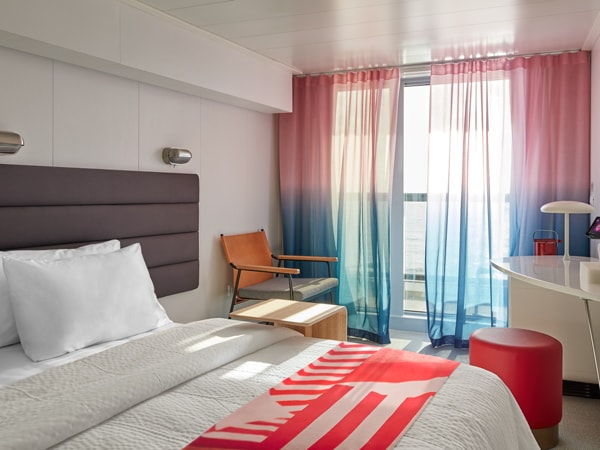
Consider also the location of your cabin, do you need to be near a lift or would you prefer a bigger suite at the bow of the ship? The middle of the ship is best for those prone to sea sickness, as there’s much less movement. If you’re unsure, talk to your cruise specialist or the cruise line itself.
What you need to know about sea days
A sea day is a day spent in transit, where the ship does not make port. On these days, there are typically more activities scheduled and the entertainment factor ramps up to ensure everyone is suitably occupied.

Keep in mind, this means some places onboard may be busier as everyone is hanging round rather than off sightseeing. So plan ahead and book into alternate restaurants on those days, so you can enjoy a lovely long lunch overlooking the horizon.
Although there is more to do, it’s still a good idea to bring your own entertainment for such days, be it books, music or games for the kids.
Things to know before you board your first cruise
You’re almost ready to sail into the sunset, so let’s talk about some of the nitty-gritty details you may not consider until it’s too late.
What you need to know about booking shore excursions
For the uninitiated, shore excursions are land-based trips booked through the cruise line that run from the ports in which you dock. Most cruise lines offer some inclusive shore excursions in their fares, but there may be others you’ll want to add during your cruise, which start at around $50 per person. If you’re cruising for the first time, haven’t visited that destination before or aren’t a confident traveller, shore excursions are absolutely worth spending money on.
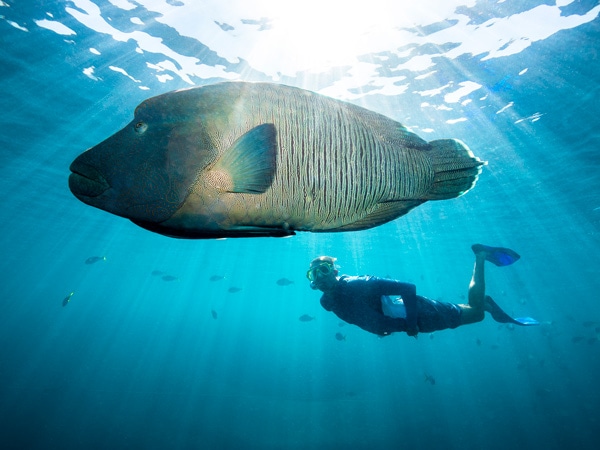
You can either book them onboard or before you cruise, but if there’s an excursion you really have your heart set on, don’t delay in booking as popular trips will be snapped up well before you set sail.

Should you pay for wi-fi on your first cruise?
Historically, internet access on a cruise isn’t great. But it is slowly getting better. Some cruise lines are now using Starlink, while others opt for a satellite and land-based tower combo to provide a better service. Some cruises will now include a basic internet package with the fare, but expect it to be patchy. If you know you’ll want to make video calls, work or stream shows while onboard, opt for the top-tier wi-fi package and, if you book early, you can often grab a significant discount.
Should you upgrade your food and drink package?
That depends on how much you appreciate good food and a drink. For short cruises, you can easily dine at the buffet without tiring of it, but as your time onboard extends, so, too, does your craving for something else.

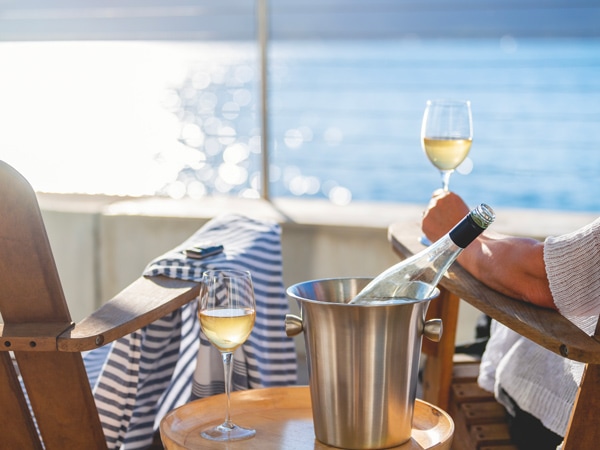
Many cruise lines offer exceptional dining options with menus curated by the world’s best chefs, which you’ll relish experiencing, especially if they feature specialties from the region in which you’re travelling. Also, if you expect to have a couple of rowdier nights, it works out well to opt in for the upgrade to bring down the cost of alcoholic drinks.
The best time to book optional extras
Onboard extras, such as spa treatments and special restaurants, book out astonishingly quickly. If you have the option to book these before you travel, then do so.
For days at sea, you’ll have the luxury of time to indulge in these activities, so you’ll want to beat everyone else to it. Otherwise, the next-best time to book is as soon as you arrive onboard.
Do you need cruise insurance?
Yes. We would have said this four years ago, anyway, but these days, it’s an absolute no-brainer. Make sure your cover includes Covid-related scenarios.
How to prepare for sea sickness
There’s nothing like a bout of nausea to ruin your holiday vibe at sea. While it’s fairly uncommon to suffer terribly on large ships, as they’re usually equipped with stabilisers to minimise those sickening undulations, it can happen.
Carry medications if you’re prone to sea sickness and, if you can, opt for a cabin in the middle of the ship, where things are smoother. Other tips include ensuring you get some fresh air, keeping an eye on the horizon and off screens and books.

Weekly travel news, experiences
insider tips, offers, and more.
How to pack for your first cruise
While most cruise lines will have a dress code, these days, things are fairly casual. Pack your usual holiday staples and, of course, keep etiquette in mind. If you wouldn’t wear it in your hometown, perhaps don’t wear it on a cruise.

With many ships hanging a disco ball for evening events, be sure to pack some fun outfits for a night out. It’s also a good idea to pack a carry-on with swimmers and essentials on embarkation day, as often you won’t be reunited with your suitcase until the evening.
Arrival information and boarding procedures
Embarkation is a big day. There’s travel from home with luggage, unavoidable waits, long queues and paperwork, but there are also a few things you can do to streamline the procedure.
You’ll be given a window of several hours during which to check-in and board. Most people aim for smack-bang in the middle of that window, making it precisely the time to avoid (usually between 12 and 2pm). Instead, go either side. Just not too early or you may have to wait for disembarking passengers and not too late, or you might find yourself in a panic.
Much like an airport, you’ll need to have your cruise documentation and passport ready and go through scanners. Once you’re checked in, porters will take your suitcases to be delivered to your cabin later, while you can head onboard to start exploring the ship.
Things to know when you’re on your first cruise
All aboard! You’re packed, you’re pumped and you’re ready to go, but before you sail off into the sunset, there’s just a few more things to note.
How to find out important information onboard
Be sure to pay attention to announcements and read all the instructions given to you. For anything else, the crew are there to help and can assist in all matters.
How to understand the deck plan
Deck plans are great to peruse before you choose your cabin and can help orient you in your surroundings even before you board. Take note of what’s above or below your selected cabin, as these could affect how quiet things will be come snooze time.
For example, if you’re directly below a nightclub, you might want to consider another option. You’ll also be able to see which rooms are bigger and how close you are to key amenities and access points to other decks.
But keep in mind, deck plans don’t always line up perfectly, so if you suspect you might be too close to an undesirable location, check with your cruise specialist.
The best dining tips
Not all eateries are open all the time. Make a note of what restaurants are open when, so you’re not caught wandering the decks at 12am looking for a burger to soak up those cocktails.
And, a word of warning, pace yourself when it comes to drinking – a hangover with a side of sea sickness is a great combination for deep regret.

What you need to know about shore days
The first thing to know is that shore days are optional. If you would prefer to loll about by the pool or flit from lunch to massage to afternoon drinks, that’s entirely up to you. Secondly, while you can join a shore excursion (for a fee), you’re also welcome to explore on your own.

Most cruise lines spend 12 to 14 hours in port, so there’s ample time to wander about and get (only slightly) lost. Just be sure you know exactly when you need to be back onboard, don’t go too far afield and keep an eye on the time.

Should you book your next cruise onboard?
You absolutely should. If you’re having the time of your life and have become a fully-fledged cruise convert, you’ll already be planning your next voyage. Seize the moment and save money by booking your next cruise while still onboard.
What to do before you disembark at the end of your cruise
While disembarkation procedures vary between cruise lines, there are a few things to know. But don’t panic, there will be a briefing on your final day at sea, which will clear things up. Still, it’s good to have a vague understanding of what will happen so you’re somewhat prepared.
Firstly, you can’t simply leave the ship when you feel inclined, while the ship usually docks before dawn, there’s a lot of red tape to be cleared before anyone sets foot on land. Expect to have breakfast onboard and wait to be given a time to disembark. You’ll also need to settle outstanding finances before you go and if you would like porters to take your luggage off the ship for you, it will need to be packed, tagged and left outside your cabin door before a certain time the night before.
Also note that the ship’s amenities will be closed for cleaning in preparation for new passengers, so be sure to keep a book in your carry on to help pass the time until you can disembark. The whole process takes a few hours, so make sure you haven’t booked any time-sensitive transportation for your onward journey.
Find more first-time cruiser tips, ships profiles and destination inspiration in our Ultimate Guide to Cruise Holidays in Australia.
Want to see more stories from Australian Traveller in your Google search results?
- Click here to set Australian Traveller as a preferred source.
- Tick the box next to "Australian Traveller". That's it.