Ken Duncan Full Interview

hero media
In the latest issue of Australian Traveller magazine, we followed Ken Duncan, the grand-daddy of landscape photography through the Kimberleys on a luxury bout tour. For your enjoyment now (and ours), here’s the fully expanded interview from that feature.

When Ken Duncan first decided to photograph Australia’s vast landscapes in 1982, he did it by the seat of his pants. The young businessman sold his car, gave up his job and went on a trip to the Kimberleys with his father, who was returning to missionary station Kunmunya. The duo went searching for a hidden cave with Aboriginal rock paintings described to them by their friend Howard Coates. They didn’t find the cave, but Ken returned with a knowledge of bush tucker, a love for the region and its people and – after five years of travelling – a whopping 80,000 photos.


He also forged a strong connection with the natives on this formative journey. The then 28-year-old photographer was quick to judge their drunken travelling companion, George Jamnery, but learned it’s better to walk with people a while and getting to know them rather than succumbing to preconceived ideas. As Ken says, “it will be worth the journey".


The Aboriginal “walk-a-while" concept later would later become the name for Ken’s reconciliation project aiming to connect Aboriginal youths with their communities and equip them with valuable skills through the use of arts. He says the issue is one close to his heart: “It’s us, the people, who should bring about reconciliation."


And Ken credits Jamnery, the Aboriginal elder, with teaching him how to become a better photographer by helping him to connect with his surroundings. “He said, ‘stop looking with your natural eyes and start feeling the land,’" Ken recounts.


Twenty-six years on, his eye for natural beauty and the special moment when a landscapes transforms into something almost surreal have taken the country town boy all the way to Tinseltown and back. His iconic limited edition photographic prints are popular with buyers across the world and he’s received numerous awards for his work. His pioneering use of wide panoramic format for landscape photography has earned him the title of Australia’s Panoramic Prince and his photographic portfolio includes a wide range of clients – from rock band Midnight Oil over the prestigious National Geographic magazine to charity WorldVision.


But the empty landscapes of Australia are undeniably where Ken’s heart is. His signature working and travelling style is still reminiscent of his very first photographic journey, living off the land with a rifle and only carrying the bare essentials, like camera equipment and dehydrated food. And the adventurous photographer’s quite literally suffered for his art – losing the top of his big toe to gangrene after taking a fall in the Olgas and suffering severe hypothermia on a trip to Western Tasmania.


Some of the places he’s visited are only accessible by foot (or helicopter), but Ken believes it’s essential to connect to these remote places and experience the whole scene. “In Australia we have something incredible," he says. “These places are like god made them. It’s like entering into the Garden of Eden."


At the start of his trips it normally takes him a day to get “into the zone", which he says is a very spiritual experience and can get quite intense. The Central Coast-based photographer says most people fail to realise the beauty of a place because they don’t allow enough time and rush to get to the next place. Ken prefers to wait, stand back and get that special shot rather than the obvious one he says. ““It takes time when you go there. [You have to] allow it to wash over you. You don’t just capture the waterfall. But you add a different dimension… something that makes it unique."


Sometimes, Ken will wait for the light to do something special for a whole day – while lots of tourists come and go, clicking away. But Ken prefers getting rid of preconceived ideas of what the shot could or should look like and connecting to the surroundings. “It gets to the point where you can sense the clouds etc.“


He says when people buy his prints, what they really buy is his gift of seeing the world. “A picture’s not just a picture; it’s your life, your eyes, your adventure."


And the landscapes’ vast emptiness holds a strong fascination for Ken. “It does something to people. I think nature has the ability to unmask you. People are often scared of facing themselves and landscapes do that to people."


He says most people fail to recognise a spot’s beauty and treat travelling like stamp collecting. “Usually, when that special shot happens, I’m the only one there."


“Places have gifts for you. You just need to sit and relax and be where you are."


He draws inspiration from the land and taps into the stories it holds, sometimes coming close to sensory overload, but usually returns refreshed from his trips.


And so it’s no surprise Ken’s love for Australia and especially the Kimberleys runs strong to this day. He calls travelling the remote area just after the wet season – when it transforms into a lush green wilderness with pumping waterfalls and dramatic clouds – “probably one of the most spectacular trips you can do in this country.


His latest trip to the Kimberleys onboard cruise ship The True North sounds truly decadent in comparison to his usual rough outback traveller style, though. “The boat has a helicopter on board and it can drop you into the most remote locations in the world."


“Day after day, you are confronted by spectacular places. You could be blind and still take fantastic pictures." But even Neil Perry-style dining, ice cold drinks, warm showers and the company of his family, won’t turn Ken into a luxury traveller, he says.


Last year, a quarter of a century after his first photographic journey, one of his greatest adventures finally came full circle, when the True North’s helicopter pilot helped him discover the cave with Ken and his father were searching for. Incredibly, he also found a message in a bottle from his late mate in the rock art’s shadows. “This personal message [sat there] waiting for me all these years. It moved me to tears."


Ken’s worried the picture awaiting future travellers to Australia’s unspoiled remote areas might be a very different one to today’s. He’d like to see a long-term strategy implemented to preserve Australia’s pristine wilderness and doesn’t agree with National Parks’ strategy to “lock places away".


Deforestation is another issue close to his heart. “It will take generations if you’re cutting [trees in] some places. You’re taking the soul of those places."


Ken’s work has gone a long way to capturing the essence of Australia and his numerous books celebrate the continent’s beauty. His next publication, to be released in August, will be aptly titled Ken Duncan: Life, an Adventure. It’ll tell just some of Ken’s eventful life’s stories. He says a lot of them will focus on the people who made it so special. “I’ve met some fantastic people. This will be a kind of thank you to them."

Need tips, more detail or itinerary ideas tailored to you? Ask AT.

AI Prompt

Want to see more stories from Australian Traveller in your Google search results?

  1. Click here to set Australian Traveller as a preferred source.
  2. Tick the box next to "Australian Traveller". That's it.
Australian Traveller

Australian Traveller

View profile and articles
hero media

8 Northern Territory secrets the locals don’t want you to know

    Lee Mylne Lee Mylne
    Summer transforms the Northern Territory into a lush paradise of colour and life, as a visit during the ‘low-season’ reveals secrets the locals willingly share.

    Waterlilies bloom, floodplains are alive with birdlife, waterfalls are gushing, and everywhere the green is dazzling. Summer in the Top End and the Red Centre is a kaleidoscope of unexpected wonders that delight and surprise visitors. Of course, the locals know only too well that the Northern Territory low season is often the best time to see and experience this amazing part of Australia.

    Here are some of the reasons why savvy travellers – avoiding the crowds – are discovering a new dimension to the Territory. Remember that you’ll need a Parks Pass to visit national parks.

    1. Take a dip in the Florence Falls waterhole

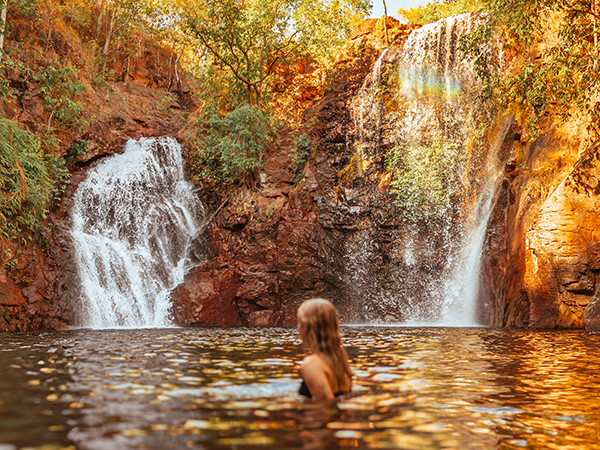
    Wander through savanna woodland and monsoon forest to discover the perfect place to cool off – the waterhole at the base of spectacular Florence Falls in the magnificent Litchfield National Park, just 90 minutes’ drive from Darwin. The falls flow year-round but are most spectacular during the summer. Camping is available nearby but bookings are essential and must be made online before you visit.

    Surrounded by lush forest, a woman cools off in Florence Falls, just one of many incredible things to do in the Northern Territory.
    Cool off beneath the cascading waters of Florence Falls. (Image: Joshua Griffin)

    2. Wind down at Buley Rock Hole

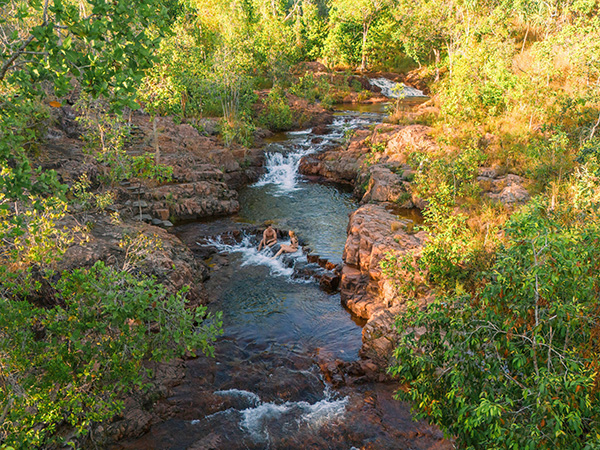
    Another popular local swimming spot in Litchfield National Park is Buley Rock Hole, open year-round. This is a great place to wind down after exploring everything the park has to offer, including towering termite mounds. Wade through the rock pools, soak up the scenic bush or just lie back and relax as the cool water rolls over you.

    Buley Rockhole, Litchfield National Park
    Let the cool water wash over you. (Image: Tourism Australia)

    3. Tour the Tiwi Islands

    The Tiwi Islands, a scenic 80km flight from Darwin across the narrow Clarence and Dundas Straits, reveal a different side to the Territory, with their own distinctive culture. Take a day tour with Tiwi by Design to visit Bathurst Island and learn about creation stories, the Mission days, World War II history and the islanders’ obsession with AFL!

    Take a ‘behind-the-scenes’ tour of Tiwi Design’s screen-printing workshop and pick up a great souvenir in the form of art. Choose from contemporary or traditional Tiwi designs and a wide range of work including carvings, paintings, pottery, printmaking, bark paintings and tunga (bark baskets).

    A creative moment shared inside Tiwi Design’s screen-printing space.
    Take a peek inside Tiwi Design’s screen-printing studio. (Image: Tourism NT)

    4. Dine in Darwin

    Foodies are spoilt for choice in multi-cultural Darwin. Try Sri Lankan flavours at Ella by Minoli, where Masterchef contestant Minoli De Silva creates delectable dishes, or head to Charlie’s of Darwin for gin-tasting, cocktails and more. Bowls of fragrant laksa, excellent coffee, fresh vegetables and authentic crafts are all part of a weekend visit to Darwin’s Parap Markets, Rapid Creek Markets and the Nightcliff Markets.

    Prefer to catch your own dinner? Book a Top End fishing charter to bag a barramundi – and from October register for the annual Million Dollar Fish competition. Hooking one of the tagged barra released each year in waterways across the Territory could win you up to $1 million.

    A bowl of Laksa.
    Eat your way through multicultural Darwin. (Image: Tourism NT)

    5. Up close with Uluṟu

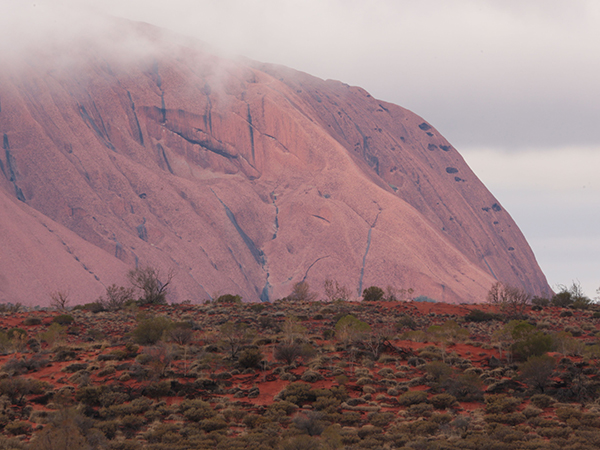
    The magnificent monolith Uluṟu is even more magical when the summer rains fall. When it rains on The Rock, the locals come out to watch – consider yourself lucky if that happens when you visit. Waterfalls cascading off the sides of Uluṟu is a sight that relatively few tourists see.

    There’s so much to do at Uluṟu, from guided walks to learn the stories of the Aṉangu people and the ancient landscape they live in to scenic flights for a bird’s-eye view or a leisurely walk around the base of Uluṟu. Book ahead to spend the evening wandering through the Field of Light installation by Bruce Munro.

    A closer look at Uluru and uncover its ancient stories, sacred sites, and striking natural beauty – one of the most iconic things to do in the Northern Territory.
    Discover the details that make Uluṟu truly sacred. (Image: Tourism NT)

    6. Drive the Red Centre Way

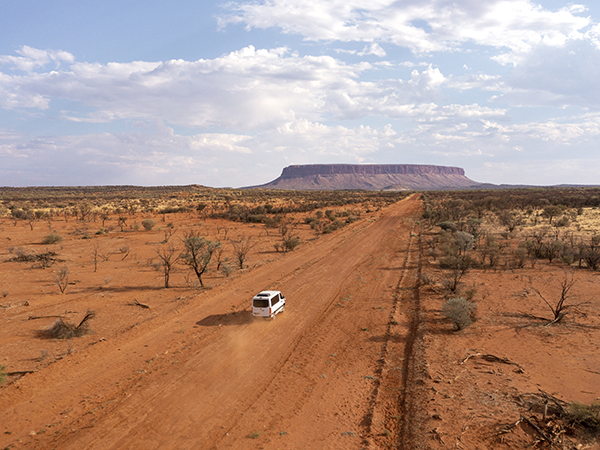
    From Alice Springs, take an epic road trip along the Red Centre Way, taking in Uluru and Watarrka National Park, home to the magnificent Kings Canyon. Allow at least a week to drive through the red heart of Australia by 4WD, a little longer on the sealed road by 2WD vehicle, travelling through ochre deserts, palm-lined valleys and dramatic gorges. Stop off at waterholes for a refreshing dip along the way.

    Kings Canyon offers hiking options for all levels of fitness, from the three-hour Rim Walk atop soaring sandstone walls to the gentler Kings Creek Walk. Either way, you’ll have breathtaking views.

    SEIT Outback Australia is a small group touring specialist offering exciting, adventurous, exclusive and specialised iconic, pioneering and cultural touring in the Red Centre of Australia, giving you the time to learn, absorb and relax in the heart of Australia.<br /><br />This innovative tour company focuses on providing clients with the ultimate interpretive touring experiences with a range of products and customised touring itineraries for small groups and bespoke private charters.<br /><br />The company bases its philosophies from the key words of Spirit, Emotion, Intellect and Task (SEIT).
    Drive through Australia’s heart. (Image: Outback Australia Tours)

    7. Take a walk at Kata Tjuṯa

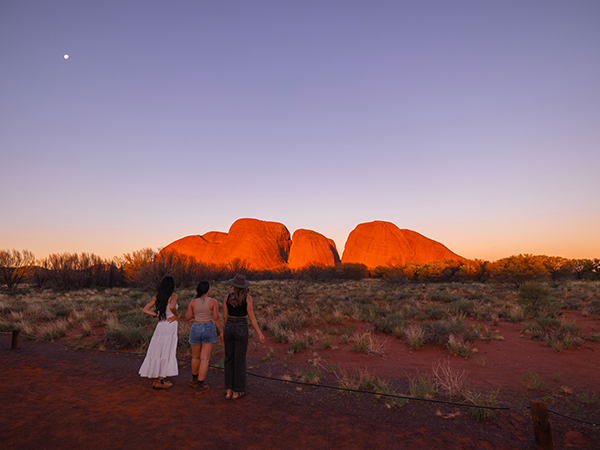
    Head out early to tackle the Valley of the Winds Walk at Kata Tjuṯa. This natural wonder, also known as The Olgas, is a labyrinth of soaring ochre domes that glow golden at sunrise and sunset (the walk may be closed during the middle of the day as temperatures rise).

    Walking trails range from easy to longer, more difficult tracks. At the Kata Tjuṯa dune viewing area, take in the panoramic view of the domes. The longest of the trails is the Valley of the Winds Walk, a 7.4km circuit that winds between the domes and through creek beds. It’s moderately difficult and steep in places, but offers stunning views – and occasional encounters with kangaroos.

    The Valley of the Winds Walk at Kata Tjuta is one of the most awe-inspiring things to do in the Northern Territory, especially at sunrise when the domes glow golden.
    Step into the golden light of Kata Tjuṯa. (Image: Tourism NT)

    8. Explore Tjoritja/West MacDonnell Ranges

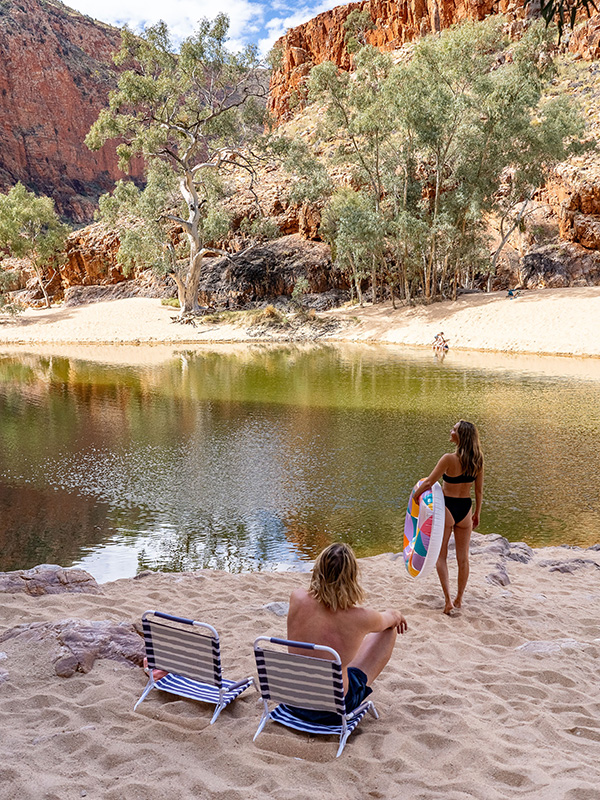
    Tjoritja/West MacDonnell National Park lies 135km west of Alice Springs, with many fascinating natural features to beguile visitors. The ‘West Macs’ formations include chasms, gorges and waterholes – take your swimsuit for a dip at Ormiston Gorge waterhole, open year-round. The Ormiston Pound Walk is a three to four-hour circuit that leaves from the visitor centre and loops back along the gorge via the main waterhole. Other places of interest in the park include Simpsons Gap, Standley Chasm, Ellery Creek Big Hole and Glen Helen.

    Soaking in the serenity of Ormiston Gorge, these two travellers enjoy one of the most scenic things to do in the Northern Territory.
    Take the plunge at Ormiston Gorge waterhole. (Image: Joshua Griffin Litchfield)

    Start planning the NT road trip of a lifetime at northernterritory.com

    Ken Duncan Full Interview - Australian Traveller