It has a unique flavour [bush tucker]

hero media
Sarah Tierney takes a fresh look at Australia’s clever culinary wilderness, including devouring the coat of arms, some ingenious Indigenous bush remedies, and even a recipe for good old fashioned Beer Damper.

If you thought traditional Aussie cuisine meant Vegemite on toast followed by a lamington for dessert, it’s time you expanded your horizons. Have you tried kangaroo yet? How about crocodile and emu? Or fruits like Kakadu plums, rosellas, riberries and the humble quandong, to name but a few? Bush tucker of this kind is becoming more famous and widespread, thanks to a spate of health studies that have revealed that native Australian meat, especially emu and roo, are lower in fat and higher in iron than other conventional meats. The fruits are also known to be healthier, with the Kakadu plum thought to be the world’s highest source of Vitamin C.


Most of what European settlers believed to be inedible is now considered very much the norm on the menus of top restaurants around the country. But of course the best place to experience real bush tucker is in the outback, where kangaroo is as common as beef and our original hunter-gatherers – the Australian Aboriginals – knew all the secret water spots and foods of the land.

Going walkabout for tucker

One of the most authentic spots in Australia for kick-starting your knowledge of bush tucker is in South Australia’s Northern Flinders Ranges, along the road to the Arkaroola Wilderness Sanctuary, at Iga Warta. This Indigenous-run Coulthard family business features a whole swag of cultural tours, one of which is Yata Nukuntha – a bush tucker and medicine tour detailing Dreamtime stories of the local tribes along the way. The three-hour trek brings visitors in touch with just some of the more than 600 types of edible plants, seeds and nuts in what Adnyamathanha tour guide Sharpy Coulthard refers to as his outback “supermarket". Interestingly, it’s from this region, and from the local Adnyamathanha language, that the word “witchetty grub" derives (wityu = hooked stick, vartu = grub) . . . so if you’re brave enough, ask Sharpy to dig one up for you. They taste like egg when cooked, like almonds when raw, and are a massive source of protein.


Next it’s out from the bushes and into the barrooms, with this iconic bush tucker location tucked away on the northwestern fringe of Flinders Ranges National Park, in the tiny town of Parachilna. It’d be a blink-and-you-miss-it kind of town if it weren’t for the famous Prairie Hotel and its Feral Mixed Grill of roo, wallaby, camel and goat for the hungry. Of course there’s other modern-Aussie food served here, but none is as popular as the Grill. Then there’s the Copley Bush Bakery and Quandong Café, about an hour north of Parachilna, which caters to the sweet tooth with its popular quandong pies and desserts, along with native-style cafe food. And let’s not forget Darwin’s Roadkill Café, a LOT further north, which serves up freshly cooked meat daily. Don’t worry; it’s not actual tire-marked, flattened road kill, but safely prepared possum, roo, croc and other game meat.

National pride, national diet

Interestingly, the native animals on Australia’s Coat of Arms – the emu and the red kangaroo – are peculiar in that they can’t walk backwards (presumably representing the thrusting, forward-looking progress of our young nation) and are the only living national emblems in the world that are regularly consumed by their subjects (ie, us). Of course most restaurants and hotels in the outback will have roo and emu and other native foods on the menu – but when you live in the outback, why wouldn’t you? Just make sure you don’t go traipsing around picking any old berry or leaf to eat, or else you’ll find yourself in dire need of some native medicine. Which brings us to . .

Need tips, more detail or itinerary ideas tailored to you? Ask AT.

AI Prompt

Bush cures

Native plants aren’t just for eating; they have some pretty potent medicinal uses too. Some that treat the more common health issues include the leaves of the rock fuchsia bush, which can be made into a drink for headaches, or you can mash the stems of a snakevine and wind it around your head. Looks ridiculous, but apparently works. Colds can be combated with native lemon grass or by crushing tea tree leaves to help clear the nose. Tree orchid bulb sap can be dabbed onto cuts for quick healing, or you can apply crushed billygoat weed to the wound. And if you’re ever in the outback and get whacked with a bout of toothache, plug the tooth with the shredded wood of the green plum tree, or pop some quinine berry fruits into your mouth.


But perhaps the ultimate repository for Australian bush medicines can be found at Dilthan Yolngunha – The Healing Place – a kind of Indigenous bush hospital set up by the Yothu Yindi Foundation at Gulkula, 30mins outside Nhulunbuy on Arnhem Land’s Gove Peninsula (www.healingplace.com.au). All manner of traditional treatments, ointments, liniments and methods are used here, some you’ll not believe until you’ve seen them – like the antiseptic use, for example, of liquid drained from the digestive canal of a bush cockroach.

A classic recipe

Finally, we thought we’d end our wander through Australia’s culinary wilderness with an absolute staple for your next walkabout adventure: it’s a Damper (with a beery twist), and it should be an integral part of everyone’s outback camping skills. Drovers used it, Aboriginals used it, and these days it’s an institution at school camps. And with beer, the damper is lighter and fluffier than normal. Take four cups of self-raising flour, one stubby of beer, a pinch of salt and mix everything together until it forms a dough. Shape the dough into a ball and place it on a rack over the fire (or in the oven) and cook until golden brown and hollow when tapped.


You can’t really call yourself a modern Australian until you’ve cooked your first damper. And if you think you’ve got a better version of this recipe, or even another idea or inspiration for your own bush remedies or outback tucker, send them in to editor@australiantraveller.com . . . and happy outback eating!

Want to see more stories from Australian Traveller in your Google search results?

  1. Click here to set Australian Traveller as a preferred source.
  2. Tick the box next to "Australian Traveller". That's it.
Australian Traveller

Australian Traveller

View profile and articles
hero media

Why winter is the best time to be on the New South Wales coast

    Kate Bettes Kate Bettes
    NSW’s beach towns take on a new kind of magic when the cooler months hit.

    Autumn and winter cast a whole new light on the New South Wales coastline. The sun hangs lower, the shadows stretch longer and the air is crisp and fresh. The frenetic summer crowds are gone, and the rhythm slows to the pace of a leisurely winter bush walk through still, damp quiet. From wineries pouring winter reds to the annual whale migration up the ‘humpback highway’, here’s why winter on the New South Wales coast is better.

    Winter on the NSW South Coast

    Winter down south means misty dawns, sipping a flat white on the beach. The thrill of a whale spotting from the headlands and evenings spent slowly savouring Shoalhaven’s wines by the fire.

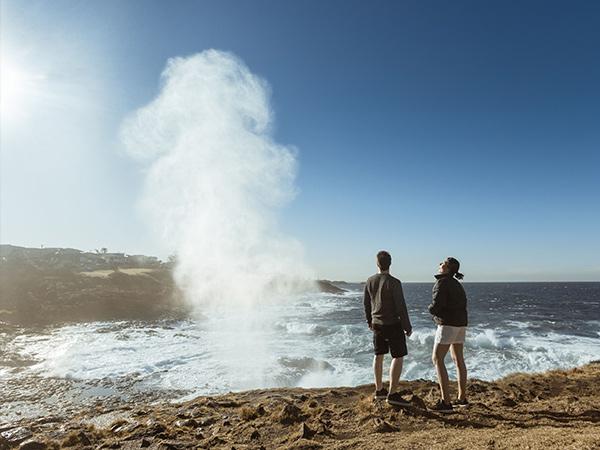
    Start in Kiama, where waves crash into the famous Blowholes. This natural spectacle is achieved when underground pressure and swell unite, sending sea spray soaring above the basalt cliffs. This means, due to larger waves, you’re even more likely to see an explosive display in winter.

    two people standing in front of kiama blowhole
    See Kiama’s blowholes in full force. (Image: Destination NSW)

    Inland, the Minnamurra Rainforest Walk in Budderoo National Park is all subtropical forest and trilling lyrebird song. Make sure to walk silently along the elevated boardwalks, past winter-swelled creeks and the tangled roots of fig trees. You might just hear one of the musically talented birds mimicking your footsteps.

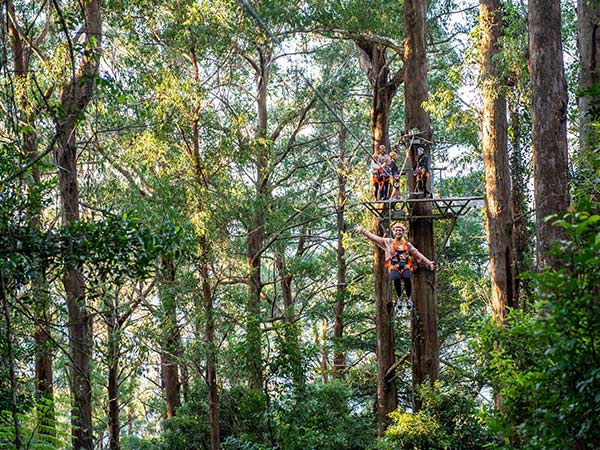
    Feeling adventurous? Book a session at Illawarra Fly Treetop Adventures for a wobbly walk through the canopy on Australia’s highest zipline.

    Illawarra Fly Treetop Adventures on the new south wales south coast
    Walk among the tallest trees. (Image: Destination NSW)

    Next, it’s time to take the speed down a notch with a drive over to the historic village of Berry. It’s been a beloved stop for generations of Sydneysiders heading south, as has the obligatory stop at its famous doughnut van for crisped, cinnamon goodness. If you’re ready for something a little more chunky, stroll right past the boutiques (okay, go on, just one quick peek) to Milkwood Bakery. Their flaky pastries and all-day breakfasts are best enjoyed under cream-coloured fringed umbrellas.

    Back in Kiama, you’ll also find modern Middle Eastern share plates at Miss Arda, and next-level burgers on The Hungry Monkey‘s extensive menu: an ode to everything pattie-shaped.

    End the day at The Sebel Kiama on the harbour. The apartment-style rooms come with full cooking facilities — a welcome addition for families looking to test out the local produce they picked up along the way. Including, but not limited to, vintages from nearby Crooked River Wines.

    The Sebel Kiama exterior
    Sleep by the harbour.

    Winter on the Mid-North Coast

    A trip up north is a gentle one at this time of year. You’ll still feel that sunshine warming your shoulders, but the lower temperatures make space for rainforest walks, vineyard lunches and long coastal hikes. All without that pesky humidity.

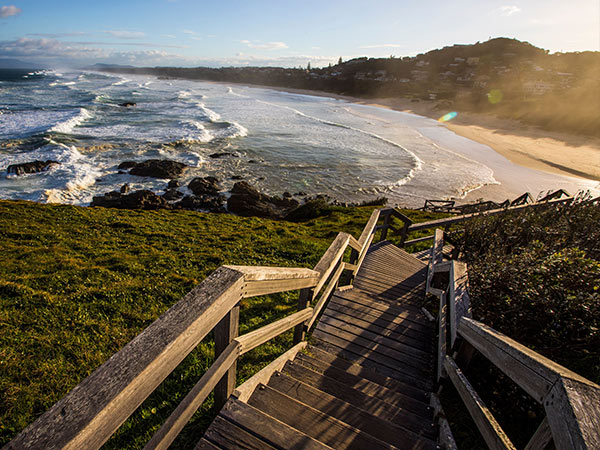
    First stop? It has to be the town of Port Macquarie. Start by marking out a stretch of the nine-kilometre coastal walk you want to tackle (or do the whole thing), which winds from Town Beach to the lighthouse along rugged headlands and quiet beaches. Hot tip: binoculars. Don’t forget them if you want to partake in some close-up sightings of dolphin pods or whales migrating up the ‘humpback highway’.

    Port Macquarie Coastal Walk, winter on the New South Wales coast
    Wander the Port Macquarie Coastal Walk. (Image: Destination NSW)

    Swap sea for canopy at the Sea Acres Rainforest Boardwalk, one of the last remaining pockets of coastal rainforest in the state. The accessible elevated trail passes under climbing ferns and tangled strangler figs, and is alive with scarlet robins, goannas and diamond pythons – if you’re lucky, you might see one slipping through the leaf litter.

    Afterwards, lunch is sorted at Cassegrain Wines, where crisp whites and elegant reds are grown using a blend of French winemaking tradition and Australian innovation. After a tasting, saddle up for a horse ride through the estate.

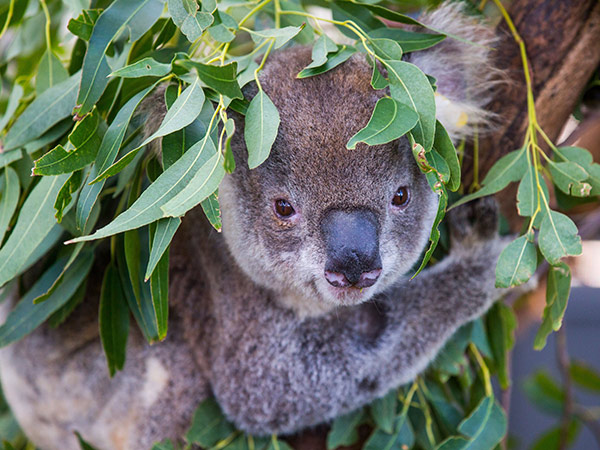
    port macquarie koala hospital
    Meet Koala Hospital inhabitants at their temporary home. (Image: Destination NSW)

    The beloved Koala Hospital is rebuilding, so meet its furry patients in their temporary bushland abode at Guulabaa – Place of Koala. Here, you can see rehabilitation up close and learn how one of Australia’s most iconic animals is being carefully rewilded and protected.

    Back in town, Whalebone Wharf serves up fine dining with serious views to go with your oysters. Prefer something breezier? Bills Fishhouse + Bar does everything from blue swimmer crab toast to zucchini noodles drizzled in basil and wattleseed pesto. Down by the waterfront, Little Shack slings ceviche, mushroom burgers and fish tacos with casual aplomb.

    At the end of it all, check in to Mercure Centro Port Macquarie, right in the heart of town. From here, everything’s walkable. Just park the car, pop your keys in your pocket, and stroll down to the beach.

    bed at Mercure Centro Port Macquarie
    Check in to Mercure Centro Port Macquarie.

    Winter on the Central Coast

    On the Central Coast, expect to explore oyster farms that sit on estuaries, beaches that stretch empty for miles, and the kind of surprise sightings of whale sprays that can stop a hiker in their tracks.

    The best way to settle into this slower rhythm is with the Bouddi Coastal Walk, an 8.5km trail that dips through rainforest and eroding cliffs. It’s made for unhurried walkers and long-lens photographers.

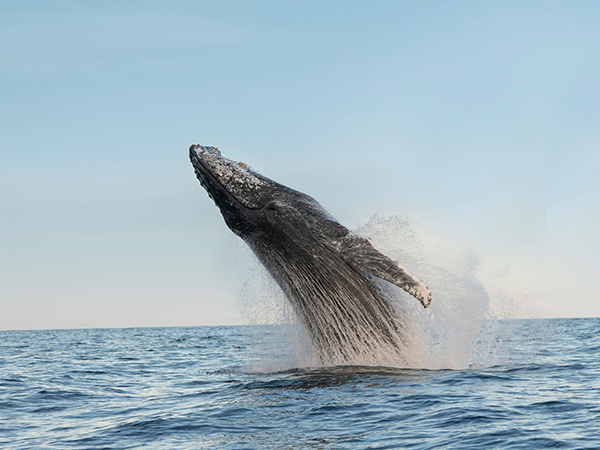
    Up the coast in Terrigal, it’s prime time to spot humpbacks on the move. Join a cruise or find your own perch — Crackneck Lookout and Norah Head Lighthouse are both local favourites.

    a humpback whale breaching on the central coast
    Spot migrating humpback whales. (Image: Destination NSW)

    Travelling with kids? It would be sacrilege not to visit the Australian Reptile Park. Here, Elvis the saltwater crocodile reigns supreme, and the venomous snake talk somehow manages to be simultaneously terrifying and fascinating.

    If that isn’t enough to wear them out, zip and climb your way through Treetops Adventure Central Coast, a ropes course in the canopy of Ourimbah State Forest. Afterwards, steady your nerves with a garden tasting at Firescreek Botanical Winery, where fruit- and flower-infused wines are served under the trees.

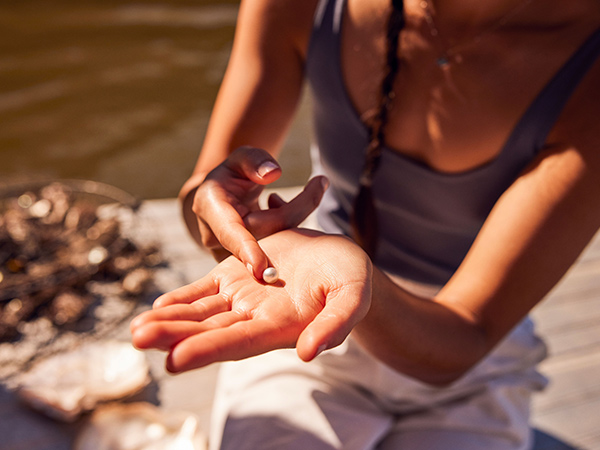
    Switch earth for sea and hop on a boat tour with Broken Bay Pearl Farm. Once you’re out on the water, you’ll learn how pearls are cultivated and have a hands-on lesson in grading and shucking.

    woman holding a pearl at Broken Bay Pearl Farm
    Get a hands-on pearl lesson. (Image: Destination NSW)

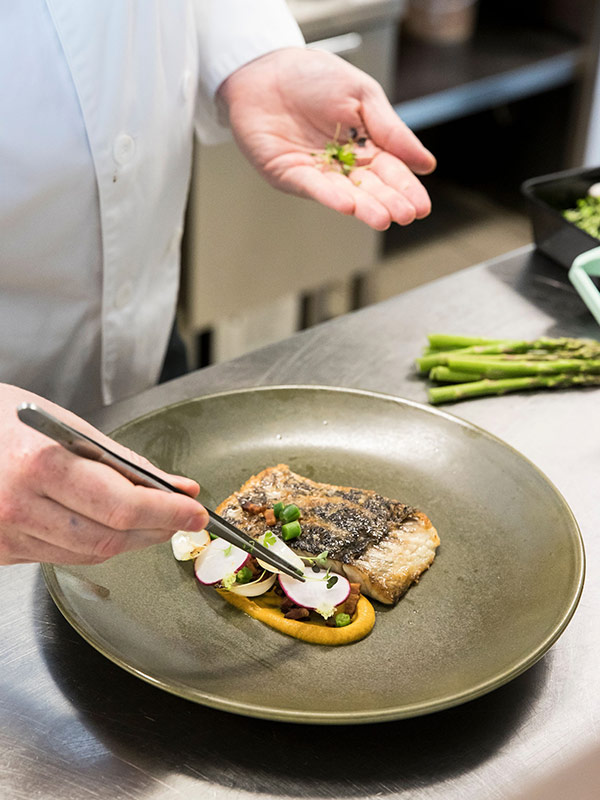
    As the day winds down, grab a seat at Yellowtail in Terrigal, which takes seasonal native produce and presents it with Asian flair. Prefer something simple? Award-winning Mount White restaurant Saddles is a quintessential Australian dining destination. Find an impressive breakfast and lunch menu, dedicated to country-style cooking and seasonal produce.

    Stay the night at Pullman Magenta Shores, between the ocean and the lake. There are plenty of ways to relax, with a massage at the day spa, a poolside beanbag and a round or two at the golf course.

    restaurant at Pullman Magenta Shores central coast
    Eat well at Pullman Magenta Shores’ restaurant. (Image: Destination NSW)

    Winter in Wollongong

    Wollongong does contrast pretty well. One moment you’re walking beneath an enormous Buddha, the next you’re ordering soju a few blocks from the surf. It’s a town where skydivers land on beaches, trails lead to paddocks and winter days stretch long and clear beneath the Illawarra cliffs.

    If you’re coming from the north, start by crossing over the Sea Cliff Bridge. Curving dramatically out like a jutting ‘C’ out above the water means you won’t be able to resist pulling over (safely, in designated lookouts) to gaze down at the waves crashing on the cliffs below.

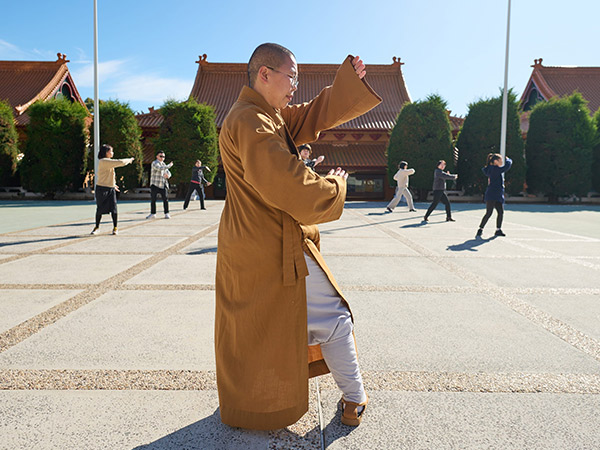
    Just inland is the serenity of the Nan Tien Temple, the largest Buddhist temple in the Southern Hemisphere. You can trace the prayer path, explore the temple gardens and sip delectable Kam Quat Tea in the quiet light at the Dew Drop Inn Tea House.

    monk teaching tai chi at Nan Tien Temple
    Learn about Buddhist practices. (Image: Destination NSW)

    Next, dust off that cowboy hat. It’s time for the Darkes Forest Riding Ranch. Take a guided canter via trail rides among peppermint gums and paddocks. If you’re happier to look at animals than ride them, Symbio Wildlife Park has red pandas dozing in trees, kangaroos that hop up to you and lessons on conservation.

    The brave among you shouldn’t miss Skydive Australia – Wollongong. A free fall over the coast via tandem jumps before tumbling down to the sand is a breath-stopping thrill. Prefer to keep your feet on the ground? Check out the program at Wollongong Art Gallery, which delivers contemporary and Aboriginal exhibitions in the centre of town.

    monkey at Symbio Wildlife Park
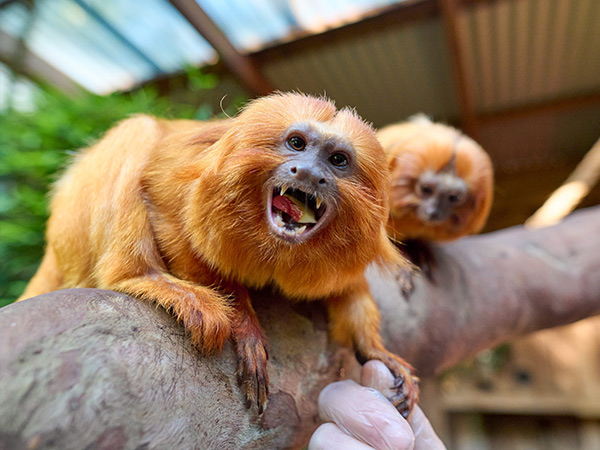
    Hang out with the locals at Symbio Wildlife Park.(Image: Destination NSW)

    As evening settles in, nab a table at Baby Face Kitchen. It has an ever-changing set menu, with dishes like hand-picked mud crab with white asparagus and salty brown butter, to sheep’s milk and honey ice cream. For something more casual, Dagwood Bar + Kitchen brings the fun with Korean fried chicken, sake cocktails and weekly all-you-can-eat bao buns.

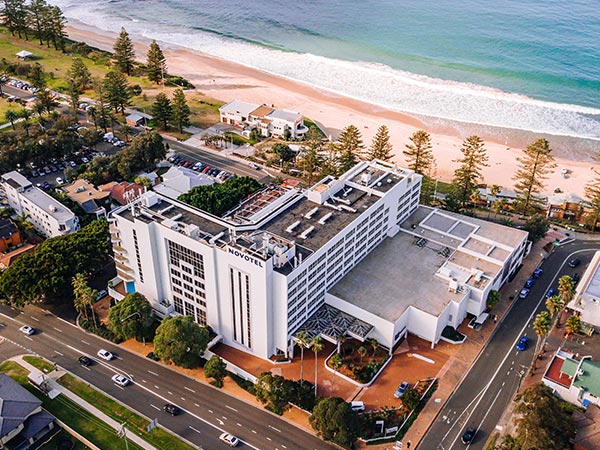
    Check in to Novotel Wollongong Northbeach, right by the sand. With a beachfront pool and ocean views, it’s an ideal base for whatever pace you choose.

    Novotel Wollongong Northbeach
    Fall asleep listening to the waves.

    Winter on the New South Wales coast starts with a cosy place to stay. Start planning your adventure at all.com.