5 outback road safety tips that could save your life

hero media
The sheer, wide-open space, the epic views and abundance of wildlife make an outback roadtrip one heck of an experience, but before you set off, you should be aware that this journey is unlike any other drive you have experienced.

The distances between destinations are long, you drive for hours without seeing another person or petrol station (and sometimes even corners in the road). And animals may look cute, but they can be a dangerous, sometimes deadly, obstacle on the road.  So here are five tips for outback road safety.

1. Prepare your car for an outback drive or holiday

Even if your car or campervan is a rental, you should make sure you perform some simple vehicle maintenance checks before and during the journey.

• Check your tyres and inflate them to the required level if needed.

• Locate the dipstick and check the oil level.

• Make sure you have a spare tyre with you.

• Check if there is a toolkit.

• Make sure you have a campervan or car user-manual.

2. In the event of a breakdown in the outback…

Don’t try to walk to get help, as you will probably be walking for a very long time in the heat which is dangerous. You might have to wait for a few or even a day for someone to pass by, but it’s the safest thing to do. It’s a good idea to carry a white bed sheet, or anything that can be used to attract attention should you need it.

Need tips, more detail or itinerary ideas tailored to you? Ask AT.

AI Prompt

3. Rules for fuel, food and water when driving in the outback

Plan ahead and stock up on food before you head off. There are remote service stations in the outback where you will be able to buy some provisions, but remember that they may have restricted opening hours and limited ATM facilities. There will also be country motel restaurants and roadhouses if you are in need of a cold drink or hot meal, but be aware that they will cost more than what you would pay in the city.

You should bring enough water – 4 to 5 litres per person, per day. And ensure you carry sufficient food supplies should you break down. Consider stocking up on cereal bars, nut and seeds (avoid salty foods that could accelerate dehydration).

When to fill up? Never underestimate how far away the next petrol station might be – if you are running low, then take a stop and fill up.

4. What road conditions can you expect in the outback?

Road conditions in the outback can change suddenly and you may find yourself suddenly on an unsealed road (gravel track or field). If you have hired a campervan or car from a main city, such as Sydney, Melbourne or Brisbane, then you may find that driving on unsealed roads voids your insurance – leaving you liable for the total cost of any damage.

If you are travelling around Western Australia, you should be aware of the heavy rains and flash flooding that can occur. If you do find yourself at a flooded crossing, do not attempt to drive through if the water if it is too deep or fast flowing – and don’t wade into a fast-flowing river to find out.

5. Watch our for the wildlife in the outback

It’s not uncommon to come across wildlife in the outback; kangaroos, cows and other animals on the roads, particularly at dawn, dusk and at night.
Avoid driving at night, and ask your passenger to stay alert, scan the road ahead and tell you to slow down if they see anything.


Kangaroos have a habit of changing direction suddenly, so if you can’t stop in time, it is sometimes safer to hit the animal than to swerve into oncoming traffic or risk losing control of your vehicle.

Want to see more stories from Australian Traveller in your Google search results?

  1. Click here to set Australian Traveller as a preferred source.
  2. Tick the box next to "Australian Traveller". That's it.
hero media

7 features of a quintessential Aussie road trip

    Kassia Byrnes Kassia Byrnes
    No one does road trips like Australians. Make your journey perfect.

    The humble road trip is a way of life in Australia, and it’s not the same here as it is anywhere else. Sure, you could fly, but then you’re missing out on the bonding time and priceless memories that get made along the way (good or bad, you’ll be sharing them for years to come). Not to mention, some of Australia’s most worthwhile and untouched places can only be accessed by road.

    But how to ensure your road trip is quintessentially perfect? Why use this checklist, of course.

    1. Start with the perfect vehicle

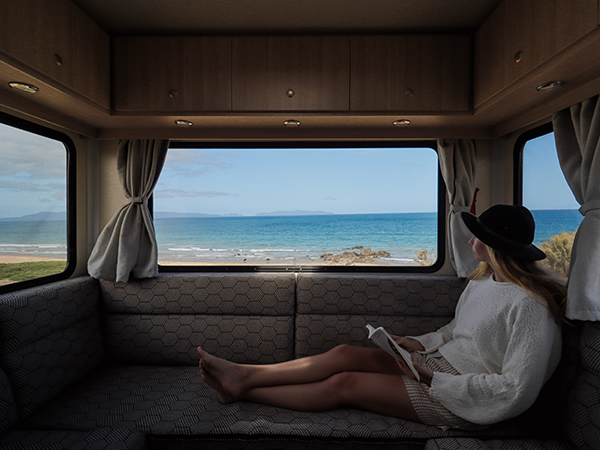
    A woman sitting while reading inside Star RV Motorhomes spacious Polaris 6.
    Relax with stunning views in a spacious motorhome. (Image: Demi Gavin)

    I can tell you from experience, nothing will push even the most tight-knit group to devolve into chaos and fighting faster than a vehicle that isn’t up to the task of a proper road trip. Enter the premium options of Star RV Motorhomes.

    They have a range of sizes to suit any group, from solo travellers and couples to families. And they’re designed to be easy to drive.

    Take the Polaris 6, for example. This light-filled sanctuary of comfort has plenty of space for bigger groups. Three double beds, a shower and toilet, and an extendable awning (with room to move between them all) make it perfect for exploring Australia.

    Couples might prefer the Polaris 2 with a fully self-contained bathroom, kitchen and a bed for two that transforms into comfortable seating during the day. Both models are pet-friendly.

    2. Pack the tastiest snacks

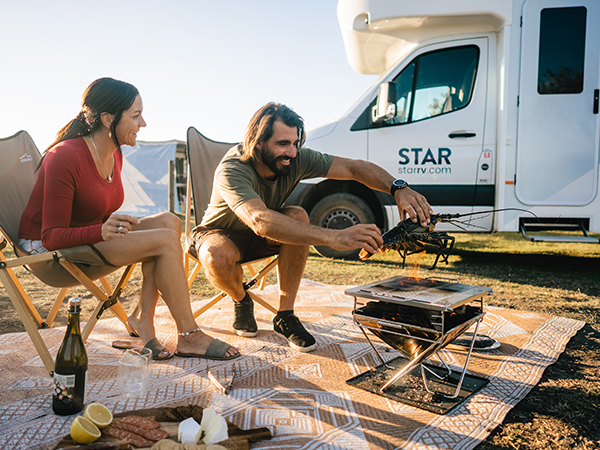
    A couple having a picnic beside Star RV Motorhomes.
    Make use of the spacious storage in your Star RV.

    Road trip snacks are an Australian art. Some, you’ll need to pick up along the way. We’re talking the iconic Chico Roll, choccie milk and maybe a sneaky potato scallop (or several).

    Others, you can pack ahead of time to save on time and, usually, money. Thankfully, Star RV Motorhomes all come with plenty of storage space, so your snacks can last as long as your road trip. Think fresh fruit and other supplies to cook lunch and dinner along the way. Plenty of lollies and maybe even some soft drinks and Red Bulls for the road.

    Not to mention, many Star RV motorhomes have a kitchen onboard, complete with a full-size kitchen, so you won’t need to lug an esky around.

    3. Bring your pet for the ride

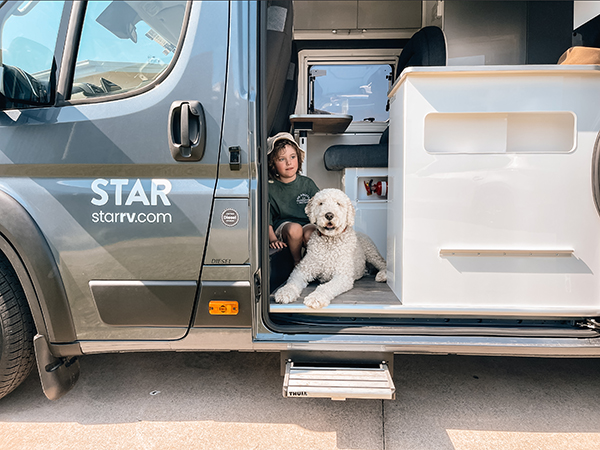
    A child and its pet inside Star RV Motorhomes.
    Travel Australia with your four-legged co-pilot. (Image: Erin Bacchi)

    Man’s best friend is essential for a truly Aussie road trip. Pet-friendly Star RV Motorhomes not only mean your dog (or cat, if they enjoy the open road more than mine do) can experience Australia with you, but that you save a small fortune on pet sitters or dog hotels.

    4. Prepare the perfect soundtrack

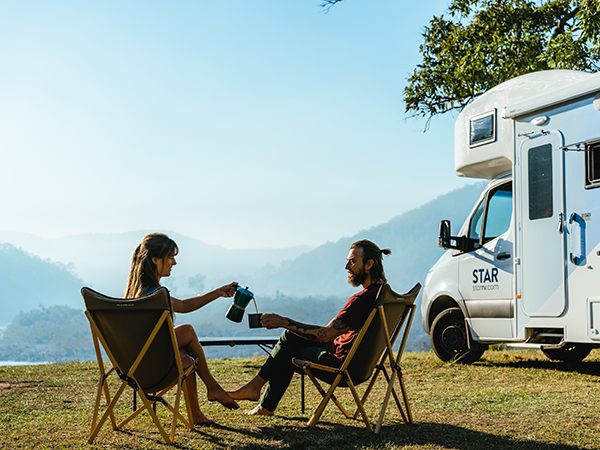
    Two people having coffee with a view.
    Chase the journey and the destination.

    No ifs, ands or buts, the perfect soundtrack can make or break a road trip. It’s really up to you, but we recommend plenty of Australian classics. Cold Chisel never hits quite the same as when you’re listening to it with only gumtrees and kangaroos for company.

    Of course, this means you’ll also need a good sound system to listen to your carefully curated tunes on. Star RV motorhome sound systems allow you to connect your device and play your own music. Goodbye, spotty radio reception.

    5. A spacious tent and camping gear

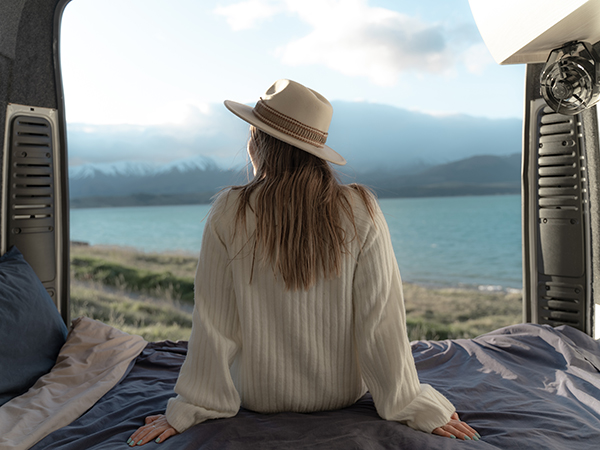
    A woman sitting inside Star RV Motorhomes with a view of the lake in the background.
    Enjoy soft linens and space to stretch. (Image: Cariund Hannes)

    If there’s one thing that a road trip can guarantee, it’s a campsite or several. So you’d better source a good sturdy tent, sleeping back, and a camping mattress that probably won’t help much – but it’s better than the ground.

    Or, just hire a motorhome so your vehicle is also your bed, and comfort is a priority (goodbye foam camp mattresses) with linens provided. And you’ll have room to unpack and move around. Heaven.

    6. Plan your toilet breaks

    Typically, an Aussie road trip means pulling over at a good bushy area or finding a horrific pit toilet on the side of the road – the smell of which will stay with you forevermore. If you’re planning to camp, better pack that handy shovel and find a good, bug-free place to dig your own loo hole.

    To avoid that hassle (and smell), forgo the shovel and hire a motorhome with an onboard toilet. When the toilet comes with you, there are no emergency roadside stops. Plus, it’s a whole lot fresher.

    7. Pick the ultimate destination

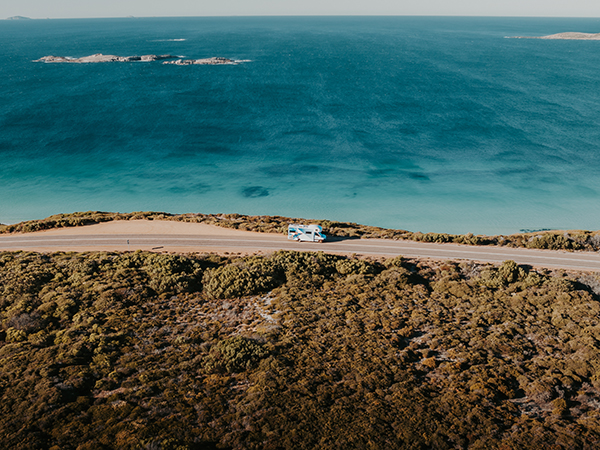
    Aerial view of the Polaris 6 cruising along a coastal road with sweeping beach views.
    Hit the road, Aussie-style. (Image: Matt Finch)

    Of course, the journey is half the fun. But the other half is an incredible destination. With accommodation and transportation sorted out with one motorhome, you have the flexibility to choose a gorgeous view for the night (or several).

    There are endless views to choose from, like the rugged cliff faces of Queensland’s Carnarvon Gorge National Park. Carnarvon Gorge camping area (near the visitor area) and the Big Bend walkers’ camp both have bushy surrounds and a trail to the gorge itself.

    Or Lake Argyle, Western Australia‘s largest man-made freshwater reservoir. Find the only dedicated camping and caravan park at Lake Argyle Resort.

    Meanwhile, Mount Buffalo National Park in Victoria is prolific for its wildlife. Wander through snow gum forests and keep an eye out for wombats, Australian kestrels and more. There are several camp options here.

    Start planning your Australian road trip adventure (and get 15 per cent off on any Star RV motorhome rental in Australia) at starrv.com/au.

    5 essential outback road safety tips